
Anúncios
What if a simple test could reveal the hidden threads connecting you to someone else—or expose the void between souls meant to drift apart forever? 🌑
Anúncios
The fascination with compatibility has haunted human consciousness since the first whispers of astrology echoed through ancient civilizations.

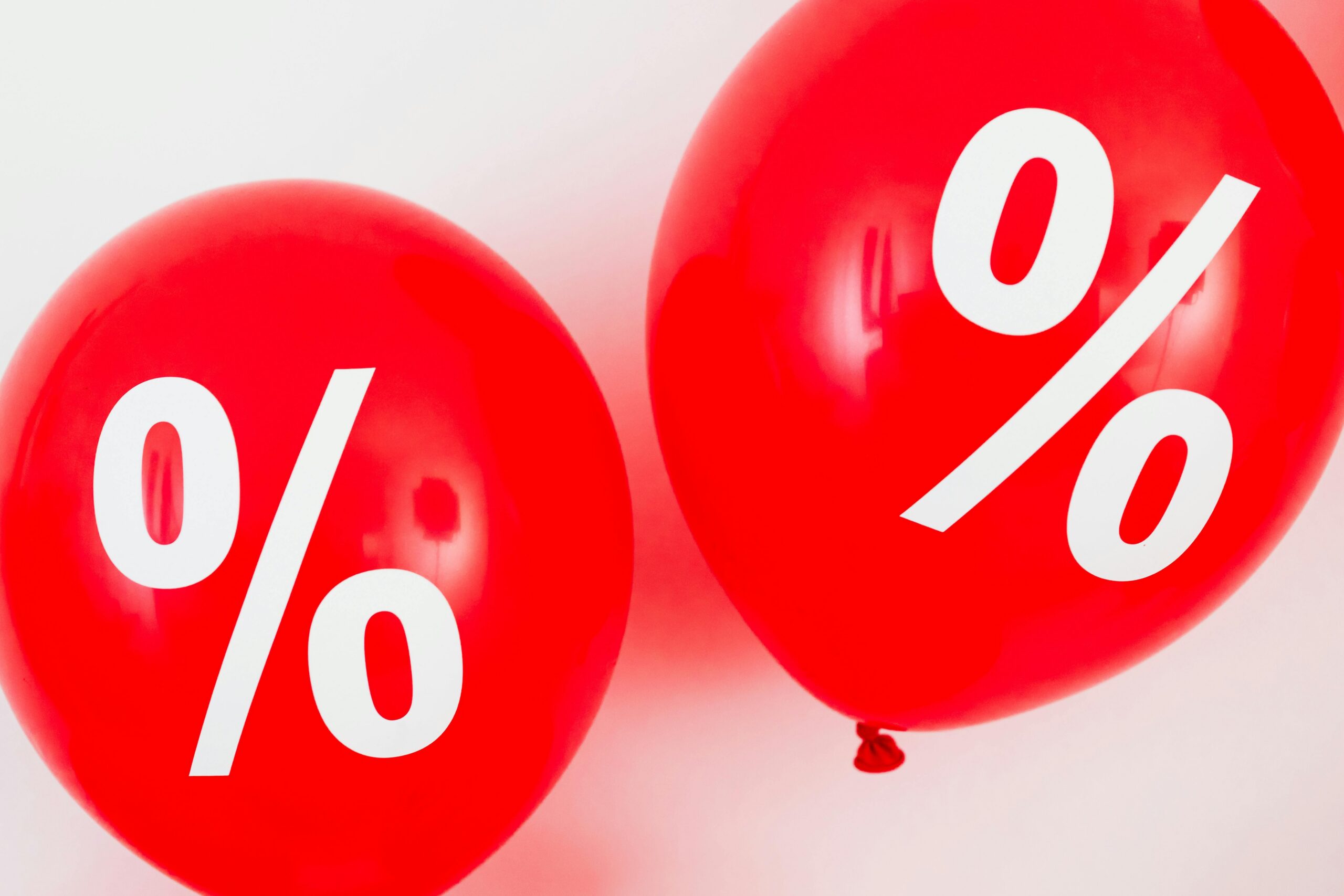
We’ve always sought patterns in chaos, meaning in randomness, certainty in the terrifying unpredictability of human connection. But what happens when a percentage becomes more than a number? When it transforms into a mirror reflecting truths we weren’t prepared to see?
Anúncios
These digital oracles promising compatibility scores have proliferated across the internet like spores in darkness, each claiming to decode the mysterious algorithms of attraction and connection.
Yet beneath their playful interfaces lurks something more profound—our desperate need to quantify the unquantifiable, to measure what might be immeasurable.
🔮 The Unsettling Truth Behind Compatibility Percentages
Walk with me into the shadowy realm where mathematics meets mysticism. Those colorful percentage bars dancing across your screen aren’t merely entertainment—they’re modern divination tools, technological tarot cards shuffling through data points of your personality, preferences, and predilections.
The algorithms behind these tests consume your answers like a hungry entity, processing every choice, every hesitation, every seemingly innocent response. They analyze patterns invisible to the naked eye, drawing connections between disparate data points with an almost supernatural precision.
But here’s where the atmosphere grows thick with unease: some of these compatibility calculators know more about you than you might realize. They track not just what you answer, but how quickly you respond, which questions make you pause, the patterns in your choices that reveal subconscious preferences you’ve never acknowledged aloud.
The Psychology Lurking in the Numbers
Compatibility tests exploit something primal within us—the confirmation bias that makes us see truth in vague statements, the Barnum effect that convinces us generic descriptions are eerily specific. When a test declares you 87% compatible with someone, your mind immediately begins constructing narratives to support that number.
You recall shared laughs, overlook arguments, and suddenly that percentage feels like destiny inscribed in digital stone. The test becomes a self-fulfilling prophecy, whispering suggestions that reshape your perception of reality itself.
💀 The Most Chilling Compatibility Tests You Can Take Right Now
Not all compatibility calculators are created equal. Some wade in shallow waters of superficial questions, while others plunge into abyssal depths, excavating truths from places you’ve kept carefully buried.
Name-Based Compatibility: Ancient Magic in Modern Dress
The oldest and perhaps most unsettling method involves nothing but names. These tests claim that the vibrations within your name—the letters, syllables, and phonetic combinations—create energetic signatures that either harmonize or clash with another person’s nomenclature.
Type two names into the void, press calculate, and watch as algorithms derived from numerology and linguistic patterns conjure a percentage from seemingly thin air. The result appears instantaneous, yet the calculations happening behind that loading screen involve complex mathematical formulas that would make your head spin.
What makes this particularly haunting? These tests often produce eerily consistent results. Enter the same names on different platforms, and you’ll frequently encounter similar percentages—as if the universe itself has agreed upon the verdict.
Personality-Based Assessments: Peering Into Your Shadow Self
More sophisticated tests probe deeper, presenting scenarios that seem innocent but are carefully designed psychological traps. They ask how you’d respond to hypothetical situations, what you value most, how you handle conflict, what terrifies you in relationships.
Each answer feeds the algorithm more data, painting an increasingly detailed portrait of your psychological landscape. The compatibility percentage that emerges isn’t random—it’s calculated based on genuine psychological principles about which personality types mesh and which inevitably combust.
These tests often incorporate elements from the Big Five personality traits, attachment theory, and relationship psychology research. When they declare two people compatible or incompatible, they’re drawing on decades of academic study about what makes partnerships succeed or fail.
🎭 The Dangerous Allure of Knowing Your Percentage
There’s something intoxicating about reducing the messy complexity of human connection to a clean, simple number. A percentage offers certainty in an uncertain world, a compass when you’re lost in the wilderness of emotions.
But this knowledge carries weight—sometimes crushing weight. I’ve witnessed relationships crumble because a playful test returned a disappointing number. Partners who were perfectly content suddenly questioned everything, allowing a algorithmic judgment to poison what was once sweet.
Conversely, I’ve seen people pursue connections they should have abandoned, clinging to a high compatibility score like a life raft, ignoring red flags bright enough to illuminate the night sky. The percentage became their excuse, their justification, their delusion.
When the Test Knows More Than You Do
The truly unsettling moments occur when a compatibility test reveals something you hadn’t consciously recognized. Perhaps it assigns you a low score with someone you thought was perfect, causing you to examine the relationship with fresh, critical eyes—and suddenly notice all the fractures you’d been overlooking.
Or it declares high compatibility with someone you’d dismissed, prompting a reevaluation that opens unexpected doors. The test becomes a catalyst, forcing confrontation with truths that existed in your peripheral vision but never demanded full attention.
🌙 How These Tests Actually Calculate Your Fate
Peer behind the curtain, and you’ll discover the mechanisms aren’t as mystical as they appear—though they’re no less fascinating for their logic.
Most compatibility calculators employ one of several methodological approaches, each with its own eerie accuracy. Name-based tests typically use numerological assignments, converting letters to numbers and performing calculations that sound arbitrary but produce remarkably consistent results.
Personality assessments compare your answers against vast databases of relationship outcomes, identifying patterns that correlate with success or failure. They might weight certain factors more heavily—communication style often matters more than shared hobbies, for instance—creating a weighted percentage that reflects genuine compatibility predictors.
The Algorithm’s Secret Ingredients
Advanced compatibility tests incorporate multiple data layers. They might analyze:
- Response patterns indicating emotional intelligence levels
- Value alignment across critical life domains
- Conflict resolution style compatibility
- Attachment style matching and complementarity
- Long-term goal convergence
- Communication preference alignment
- Intimacy needs and expectations
The percentage you receive represents a synthesized score across these dimensions, a numerical reduction of hundreds or thousands of data points processed through complex formulas designed by psychologists, data scientists, and sometimes—let’s be honest—programmers who prioritized engagement over accuracy.
👻 The Apps That Read Your Romantic Soul
In this age of technological intimacy, countless applications promise to calculate your compatibility with frightening precision. Some exist purely for entertainment, while others employ legitimate psychological frameworks that might genuinely illuminate relationship dynamics.
These apps have evolved beyond simple calculators into comprehensive relationship analysis tools. They don’t just offer a percentage—they provide detailed breakdowns explaining why that number emerged, identifying potential conflict areas and highlighting strengths.
The most sophisticated applications track compatibility over time, allowing couples to retake assessments periodically and observe how their percentage fluctuates with relationship evolution. This temporal dimension adds another layer of intrigue—are you growing more compatible or slowly diverging?
Features That Make Your Blood Run Cold
Modern compatibility apps incorporate features that blur the line between helpful and invasive. Some request access to your social media to analyze communication patterns with your partner. Others ask deeply personal questions about family history, trauma, and psychological vulnerabilities.
They promise customized insights, but at what cost? Every data point you provide feeds their algorithms, yes, but also their databases. Your romantic predilections, your deepest insecurities, your relationship patterns—all catalogued, analyzed, potentially monetized.
🖤 The Dark Side of Compatibility Obsession
There’s a shadow realm where harmless fun curdles into something toxic. When compatibility percentages transform from playful diversions into relationship determinants, when people treat algorithmic outputs as prophetic truth, the consequences can be devastating.
I’ve encountered individuals who refuse to date anyone below a certain compatibility threshold, filtering potential partners through digital gatekeepers before allowing real human connection to develop. They’ve outsourced one of life’s most profound decisions to code written by strangers.
Others become trapped in analysis paralysis, taking test after test, seeking the perfect score that will eliminate all relationship uncertainty. They chase a mathematical phantom, believing that somewhere exists a person with whom they’ll achieve 100% compatibility—a fundamentally impossible goal that leaves them perpetually dissatisfied.
When Numbers Become Prison Bars
The most chilling scenario involves couples who remain in incompatible relationships because a test once declared them highly compatible. They cling to that percentage like a talisman, ignoring mounting evidence of fundamental misalignment, convinced that the algorithm knows better than their lived experience.
The test becomes their shared delusion, a mutually agreed-upon fiction that prevents them from acknowledging what they both feel but dare not voice: they’re profoundly wrong for each other, and the percentage was always just a number, devoid of genuine meaning.
🔥 Making Compatibility Tests Work for You Instead of Against You
Despite their potential for harm, compatibility assessments can serve valuable purposes when approached with appropriate skepticism and wisdom. The key lies in treating them as conversation starters rather than definitive judgments.
Use compatibility tests to identify discussion topics you might otherwise avoid. If a test indicates low compatibility in communication styles, that’s not a death sentence—it’s an invitation to have honest conversations about how you each prefer to express yourselves and resolve conflicts.
View the percentage as a reflection of current dynamics, not immutable destiny. Compatibility isn’t fixed; it evolves as people grow, adapt, and invest in understanding each other more deeply. A low score today might transform into a high score tomorrow through intentional effort and genuine connection.
Questions to Ask Instead of Just Accepting the Number
When a compatibility test delivers its verdict, interrogate it. Consider these questions:
- What specific factors contributed to this percentage?
- Do the identified incompatibilities actually matter in our real relationship?
- Are the supposed strengths genuinely present in our daily interactions?
- Does this percentage align with how I actually feel about this person?
- Am I using this number to avoid difficult conversations or decisions?
These questions restore agency, reminding you that algorithms serve you—you don’t serve them. The test provides data, but you provide interpretation, context, and ultimate judgment.
🌟 The Unsettling Truth About Perfect Compatibility
Here’s what the tests rarely reveal: perfect compatibility might actually be undesirable. Relationships thrive not on absolute alignment but on productive difference—partners who challenge each other, expand each other’s perspectives, and create something neither could achieve alone.
A 100% compatibility score suggests two identical people, which sounds harmonious until you realize it eliminates growth opportunities. The friction between different communication styles, divergent perspectives, and contrasting approaches to life generates the heat that forges stronger bonds.
The most enduring partnerships often involve moderate compatibility scores paired with high commitment, communication skills, and mutual respect. The percentage matters far less than the willingness to bridge gaps, honor differences, and choose each other repeatedly despite imperfect alignment.
🎪 The Fun Returns: Using Compatibility Tests Without Losing Your Mind
Strip away the existential dread and psychological manipulation, and compatibility tests can be genuinely entertaining. The key is remembering they’re games—sophisticated, sometimes insightful games, but games nonetheless.
Gather friends and take compatibility tests comparing yourselves to celebrities, fictional characters, or each other. Laugh at unexpected results, debate the accuracy of personality assessments, and use the experience to deepen conversations rather than replace them.
For couples, compatibility tests can become playful rituals, annual check-ins that spark discussions about how you’ve changed and grown. Treat fluctuating percentages as interesting data points rather than crisis indicators, opportunities to reflect rather than panic.
The moment you release attachment to the outcome, compatibility tests transform from potential sources of anxiety into tools for self-discovery and connection. They illuminate rather than determine, suggest rather than dictate, entertain rather than torment.
🕯️ The Verdict Written in Code and Stars
So what’s the final word on these digital fortune-tellers? They’re neither savior nor villain, neither completely meaningless nor absolutely definitive. Compatibility calculators exist in liminal space between science and superstition, entertainment and insight, helpful tool and dangerous obsession.
Your relationship’s success or failure was never hiding inside a percentage. It lives in the daily choices you make, the conversations you have, the respect you show, the effort you invest. No algorithm can calculate whether you’ll choose each other on difficult days, forgive inevitable failures, or celebrate each other’s evolution.
The tests can offer glimpses, suggestions, starting points for deeper exploration. They might reveal blind spots or confirm intuitions. But they cannot—must not—replace the messy, beautiful, terrifying work of actually knowing another person and allowing yourself to be known in return.
Take the tests if they amuse you. Ignore them if they stress you. But never, ever mistake a number for the immeasurable complexity of human connection. That mystery cannot be quantified, and perhaps that’s exactly what makes it worth pursuing—the unknowability, the risk, the leap into darkness hoping someone will catch you or at least fall alongside you.
Your compatibility percentage is whatever you choose to make it, written not in code but in actions, forged not through algorithms but through presence, calculated not by machines but by hearts brave enough to remain open despite knowing that no test can guarantee outcomes, that love itself is the ultimate compatibility test, administered daily, graded by experience, passed through choosing each other again and again, percentage be damned. 🌑✨
