
Anúncios
Tired of pixelated screens and endless buffering? Weak TV signals shouldn’t dictate your entertainment schedule anymore—there’s a better way to access your favorite channels instantly.
Anúncios
Picture this: you’re settling in for your favorite evening show, snacks ready, lights dimmed—only to be greeted by a fuzzy screen and intermittent audio.


Traditional TV signals can be frustratingly unreliable, affected by weather conditions, geographic location, and aging infrastructure. The good news? Modern technology has revolutionized how we consume television content.
Anúncios
Streaming television through dedicated apps offers an elegant solution that bypasses traditional broadcast limitations entirely.
Whether you’re in a remote area, living in a building with poor reception, or simply want more flexibility in your viewing habits, digital streaming platforms provide consistent quality and unprecedented convenience. Let’s explore how you can transform your TV-watching experience today.
📡 Why Traditional TV Signals Fail You
Understanding why your TV signal struggles helps explain why digital alternatives have become so popular. Traditional broadcast television relies on radio waves transmitted from towers to your antenna, and this journey isn’t always smooth.
Geographic obstacles like mountains, tall buildings, and dense forests can block or weaken signals significantly. Even weather patterns—heavy rain, snow, or atmospheric pressure changes—can disrupt the electromagnetic waves carrying your programming. If you live far from broadcast towers, the signal naturally degrades over distance, resulting in that grainy picture quality we’ve all experienced.
Building materials also matter more than most people realize. Modern construction often incorporates materials that unintentionally act as signal barriers. Metal roofing, concrete walls, and energy-efficient window coatings can all reduce signal strength indoors, leaving you with fewer channels and poorer quality than your neighbors just streets away.
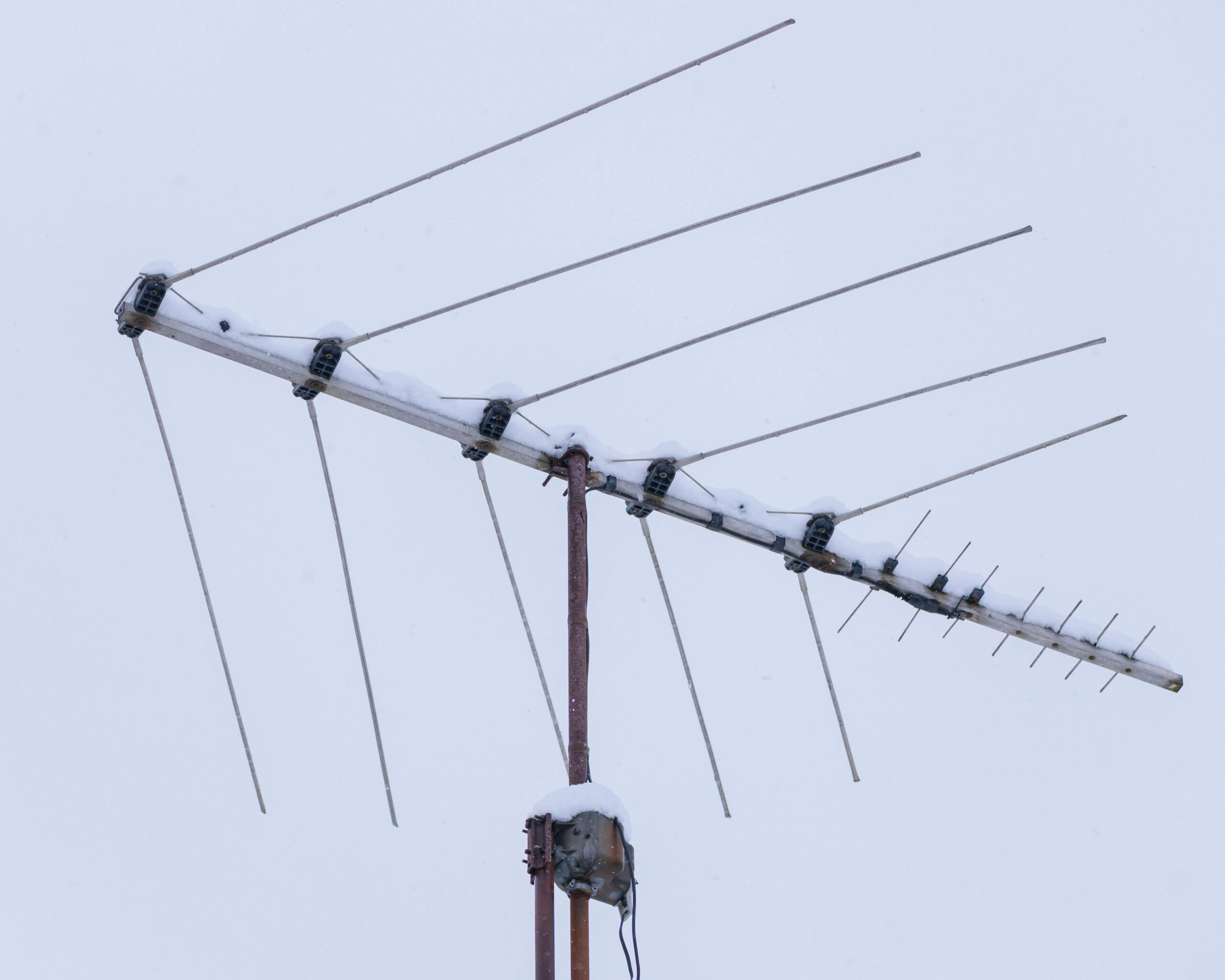
Older antenna systems compound these problems. Corroded connections, misaligned dishes, and outdated equipment simply can’t capture weak signals effectively. Upgrading hardware might help, but it’s often expensive and doesn’t guarantee results if the fundamental signal strength remains inadequate.
🌐 The Streaming Revolution: Television Without Limits
Internet-based television streaming has fundamentally changed the entertainment landscape. Instead of waiting for broadcasts to reach your antenna, streaming delivers content directly through your internet connection—instantly, reliably, and with remarkable picture quality.
These platforms work by transmitting video data through your WiFi or mobile network, completely independent of traditional broadcast infrastructure. As long as you have a stable internet connection, you can access hundreds of channels from virtually anywhere. No antenna adjustments, no signal boosters, no frustration.
The technology behind streaming has matured dramatically over the past decade. Adaptive bitrate streaming automatically adjusts video quality based on your connection speed, ensuring smooth playback even when bandwidth fluctuates. Modern compression algorithms deliver high-definition content without consuming excessive data, making streaming practical even on mobile networks.
✨ Advantages That Make the Difference
Switching to streaming-based television offers tangible benefits beyond simply avoiding signal problems. The flexibility alone transforms how you interact with entertainment content.
- Watch anywhere: Your smartphone, tablet, laptop, or smart TV all become potential viewing screens
- Consistent quality: No more pixelation or audio dropouts during crucial moments
- Weather-proof: Storms and atmospheric conditions don’t affect internet-delivered content
- Portable entertainment: Take your channels with you when traveling or commuting
- Multiple device support: Different family members can watch different channels simultaneously
- On-demand features: Many platforms offer pause, rewind, and recording capabilities
This versatility means television adapts to your lifestyle rather than forcing you to accommodate broadcast schedules and technical limitations. Whether you’re cooking in the kitchen, relaxing in the bedroom, or waiting at the doctor’s office, your entertainment travels with you.

📱 Getting Started: Simpler Than You Think
Transitioning from traditional TV to streaming might sound technically complex, but the actual process is remarkably straightforward. Most people can set up and start watching within minutes, not hours.
First, you’ll need a compatible device—which you probably already own. Smartphones and tablets work beautifully for personal viewing, while smart TVs offer the big-screen experience. Even older televisions can be upgraded with inexpensive streaming devices that plug directly into HDMI ports.
Your internet connection is the only critical requirement. For standard definition content, connections as slow as 3-5 Mbps work adequately. High-definition streaming performs best with 10-15 Mbps, while 4K content benefits from 25 Mbps or higher. Most modern home internet plans easily exceed these thresholds.
🔧 Installation Steps That Anyone Can Follow
Setting up streaming television doesn’t require technical expertise. The process follows a simple pattern across virtually all platforms and devices.
Download the app: Visit your device’s app store and search for your chosen streaming platform. Download and install the application just like any other app—most are free to download.
Create your account: Open the app and follow the registration prompts. You’ll typically need an email address and may need to provide payment information if selecting a premium subscription tier. Many services offer free trials, allowing you to test before committing financially.
Browse and watch: Once logged in, explore the channel lineup and program guide. Most interfaces resemble traditional TV guides, making navigation intuitive even for first-time users. Tap or click on any channel to begin streaming immediately.
That’s genuinely all there is to it. No technician visits, no cable installations, no equipment rentals. The entire setup happens in software, controlled through simple on-screen menus.
💡 Choosing the Right Streaming Platform
Not all streaming services are created equal. Different platforms cater to different needs, offering varying channel lineups, features, and pricing structures. Understanding what matters most to you helps identify the best fit.
Consider your viewing priorities first. Are you primarily interested in local news and network programming? Sports coverage? International channels? Niche content like documentaries or classic films? Your content preferences should guide your platform selection more than any other factor.
Technical capabilities matter too. Some platforms excel at live television with robust DVR features, while others focus on on-demand libraries. Multi-device support varies—some services allow unlimited simultaneous streams, others restrict viewing to one or two devices at a time.
🎯 Key Features to Evaluate
When comparing streaming options, certain features consistently impact user satisfaction. Prioritizing these elements helps avoid disappointment after committing to a service.
| Feature | Why It Matters |
|---|---|
| Channel variety | Ensures access to the specific programming you actually watch regularly |
| Video quality options | Allows adjusting resolution based on your connection speed and data limits |
| Device compatibility | Guarantees the service works on all your screens without purchasing new hardware |
| User interface design | Impacts how easily you navigate channels and discover new content |
| Offline viewing | Lets you download content for watching without internet connectivity |
| Customer support | Provides assistance when technical issues inevitably arise |
Free trials are invaluable for testing these features in real-world conditions. What sounds perfect in marketing materials might feel clunky in actual use, so experiencing the interface firsthand prevents buyer’s remorse.
📺 Maximizing Your Streaming Experience
Once you’ve selected and installed a streaming platform, several strategies can enhance picture quality, reduce buffering, and generally improve your viewing satisfaction.
WiFi positioning makes a surprising difference in streaming performance. Place your router centrally in your home, elevated off the floor, and away from walls or metal objects that block signals. If your viewing device is far from the router, consider WiFi extenders or mesh network systems that strengthen connections throughout your space.
Bandwidth management prevents one device from monopolizing your internet connection. Many routers offer Quality of Service (QoS) settings that prioritize streaming traffic over background activities like software updates or cloud backups. Enabling these features ensures smoother playback even when multiple devices share your network.
🚀 Pro Tips for Flawless Viewing
Veteran streamers have discovered techniques that consistently improve reliability and quality. These aren’t obvious from platform documentation but make meaningful differences in daily use.
Close unnecessary apps: Background applications consume processing power and bandwidth. Before streaming, close programs you’re not actively using to dedicate more resources to video playback.
Use wired connections when possible: Ethernet cables provide more stable, faster connections than WiFi. If your smart TV or streaming device has an ethernet port, use it for noticeably better performance.
Adjust quality manually during peak hours: Internet speeds often slow during evening hours when neighborhood usage peaks. Temporarily reducing stream quality from HD to SD can prevent buffering during these congested periods.
Restart your router periodically: Simple router reboots clear memory, refresh connections, and often resolve mysterious slowdowns. Power cycling once weekly keeps performance optimal.
Update apps regularly: Streaming platforms constantly improve their software, fixing bugs and enhancing efficiency. Enable automatic updates or manually check for new versions monthly.
💰 Cost Comparison: Streaming vs. Traditional TV
Financial considerations influence many entertainment decisions. Understanding the true costs of streaming versus traditional television reveals surprising value propositions.
Cable and satellite subscriptions typically range from $50 to $150+ monthly, depending on channel packages and equipment rentals. These bills often creep upward with annual rate increases and additional fees for DVR service, HD access, or extra boxes for multiple rooms.
Streaming services generally cost significantly less—many comprehensive platforms charge $30-60 monthly with no equipment fees, no installation charges, and no long-term contracts. You’re free to cancel anytime without penalties, providing flexibility traditional providers rarely match.
Hidden costs deserve consideration too. Traditional TV often requires professional installation and may impose early termination fees if you cancel before contract periods expire. Streaming requires only internet service you likely already have, though upgrading to faster speeds might add $10-20 monthly if your current plan is slow.
🧮 Breaking Down the Numbers
Let’s examine a realistic scenario comparing one year of traditional cable television against streaming alternatives:
Traditional Cable TV (Annual Cost):
- Monthly subscription: $100 x 12 = $1,200
- Installation/activation: $50
- Equipment rental: $10/month x 12 = $120
- DVR service: $15/month x 12 = $180
- Total: $1,550/year
Streaming Service (Annual Cost):
- Monthly subscription: $50 x 12 = $600
- Installation: $0 (self-setup)
- Equipment: $0 (use existing devices)
- DVR/recording: $0 (included in subscription)
- Total: $600/year
The potential savings approach $1,000 annually—substantial enough to fund several streaming subscriptions simultaneously while still spending less than traditional television. For budget-conscious households, these economics make streaming an obvious choice.
🌍 Watching Television While Traveling
One of streaming’s most underappreciated advantages is portability. Your television programming travels with you automatically, turning any location with internet access into a potential viewing space.
Business travelers can maintain their evening routines in hotel rooms worldwide. Parents can entertain children during long car trips (as passengers, of course) or keep them occupied in airport terminals. Even outdoor enthusiasts can catch important live events from campsites with cellular coverage.
This mobility extends beyond domestic travel too. Many streaming platforms function internationally, though content libraries sometimes vary by country due to licensing agreements. Using VPN services can occasionally restore access to your home country’s content catalog, though policies on this practice vary by provider.
🔐 Privacy and Security Considerations
Streaming services collect viewing data to recommend content and improve their platforms. While generally harmless, privacy-conscious users should understand what information gets shared and how to control it.
Most reputable platforms encrypt streaming data, preventing outsiders from monitoring what you watch. However, the service provider itself tracks viewing habits to generate recommendations and occasionally shares anonymized data with advertisers or content partners.
Review privacy settings within each app to limit data collection where possible. Many services allow disabling personalized advertising or viewing history tracking. Using dedicated streaming accounts instead of tying services to your primary email can also compartmentalize your digital footprint.
Payment security matters too. Stick with established platforms that process transactions through secure, encrypted channels. Enable two-factor authentication when available to prevent unauthorized account access, especially since streaming accounts often store payment methods for subscription renewals.
🎬 Beyond Live TV: Expanding Your Entertainment
While this article focuses on replacing traditional live television, most streaming platforms offer bonus features that extend value far beyond channel access. Exploring these capabilities transforms your subscription from a simple TV replacement into a comprehensive entertainment hub.
On-demand libraries complement live channels beautifully. Missed your favorite show’s live broadcast? Most platforms maintain recent episodes for delayed viewing. Some even offer entire series catalogs, letting you binge-watch from the beginning or catch up on episodes you missed over the years.
Original programming has become a major differentiator between streaming services. Platforms invest billions in exclusive content you can’t access through traditional television—award-winning series, blockbuster films, documentaries, and specials featuring top talent.
Multi-profile support lets family members personalize their experience. Each person gets customized recommendations based on their viewing habits, separate watchlists, and independent viewing histories. Parents can also enable content restrictions on children’s profiles, ensuring age-appropriate programming.
🔄 Making the Transition Smoothly
Switching from traditional television to streaming represents a meaningful change in how you consume entertainment. Managing this transition thoughtfully prevents frustration and helps everyone in your household adapt comfortably.
Start by overlapping services briefly. Maintain your existing TV service for a month while testing streaming alternatives. This safety net lets you verify that streaming meets your needs before cutting ties with traditional providers entirely.
Involve family members in the selection process. Let everyone explore different platforms during trial periods, gathering feedback about interfaces, channel selections, and features. Collective buy-in prevents complaints later when someone discovers their must-watch channel didn’t make the cut.
Prepare for minor adjustments. Channel numbers won’t match what you’ve memorized over the years. Recording shows works differently than traditional DVR systems. Navigation follows new patterns. Give yourself and your family a couple of weeks to acclimate—soon the new system will feel as natural as the old one.
🌟 Your Entertainment, Your Way
Weak TV signals no longer need to compromise your entertainment experience. Streaming technology has matured into a reliable, affordable alternative that often surpasses traditional television in quality, convenience, and flexibility.
The barriers to entry have virtually disappeared. With devices you already own, internet connections you’re already paying for, and free trials that let you test before committing, there’s never been a better time to explore streaming options.
Whether you’re frustrated with poor signal reception, seeking cost savings, wanting greater viewing flexibility, or simply curious about modern entertainment technology, streaming platforms offer compelling solutions. The channels you love are waiting—crystal clear, instantly accessible, and ready whenever you are.
Take control of your viewing experience today. Download a streaming app, explore the channel lineup, and discover how liberating television can be when freed from the limitations of broadcast signals. Your favorite shows are just a tap away, delivering reliable entertainment that adapts to your life rather than forcing you to adapt to technical limitations. The future of television is streaming—and it’s already here.
