
Anúncios
The future of agriculture is being rewritten by cutting-edge technology and innovative crop development, promising to feed billions while protecting our planet’s resources.
Anúncios
As global population projections indicate we’ll reach nearly 10 billion people by 2050, the agricultural sector faces unprecedented pressure to increase productivity while simultaneously reducing environmental impact. Traditional farming methods, though time-tested, are struggling to keep pace with climate change, soil degradation, water scarcity, and the growing demand for nutritious food. Enter next-generation staple crops: scientifically enhanced varieties designed to thrive in challenging conditions while delivering superior nutritional profiles and higher yields.
This agricultural revolution isn’t just about producing more food—it’s about producing smarter food. Through advanced breeding techniques, genetic modification, and precision agriculture, researchers are developing crops that can withstand droughts, resist pests naturally, require fewer chemical inputs, and provide enhanced nutritional benefits to combat global malnutrition.
🌾 The Science Behind Next-Generation Staple Crops
Anúncios
Modern crop development represents a dramatic departure from traditional selective breeding. While farmers have been improving crops for millennia by saving seeds from the best-performing plants, today’s scientists employ sophisticated molecular techniques to accelerate this process and achieve results that would be impossible through conventional methods alone.
CRISPR gene editing technology has emerged as a game-changer in agricultural biotechnology. Unlike earlier genetic modification techniques that introduced genes from unrelated species, CRISPR allows for precise edits within a plant’s existing genetic code. This approach can enhance desirable traits while maintaining the crop’s fundamental characteristics, often producing results that could theoretically occur naturally—just much faster.
Marker-assisted selection represents another breakthrough technology. By identifying specific DNA markers associated with beneficial traits, breeders can screen thousands of seedlings early in development and select only those with the desired genetic profile. This dramatically reduces the time and resources required to develop new varieties, compressing decades of traditional breeding into just a few years.
Precision Breeding for Climate Resilience
Climate change poses perhaps the greatest threat to global food security, with increasingly unpredictable weather patterns, prolonged droughts, extreme temperatures, and shifting growing seasons disrupting agricultural systems worldwide. Next-gen crops are being specifically designed to withstand these challenges.
Drought-tolerant varieties now exist for major staples including rice, wheat, maize, and sorghum. These crops feature deeper root systems that access water from lower soil layers, modified leaf structures that reduce water loss through transpiration, and cellular mechanisms that allow them to maintain photosynthesis even under water stress. Field trials have demonstrated yield improvements of 20-35% under drought conditions compared to conventional varieties.
Heat-tolerant crops are equally critical as global temperatures rise. Scientists have identified and enhanced genes that help plants maintain cellular function at higher temperatures, protect photosynthetic machinery from heat damage, and continue grain filling even during heat waves that would cause traditional varieties to fail.
🍚 Transforming Traditional Staples for Modern Challenges
The world’s most important staple crops—rice, wheat, maize, and potatoes—are undergoing remarkable transformations that promise to revolutionize their productivity, sustainability, and nutritional value.
Rice: Feeding Half the World More Efficiently
Rice feeds more than half of humanity, making its improvement critical for global food security. Golden Rice, engineered to produce beta-carotene (a vitamin A precursor), represents one of the most significant nutritional enhancements in crop history. Vitamin A deficiency affects millions of children in developing countries, causing blindness and increasing disease susceptibility. Golden Rice offers a sustainable solution by delivering this essential nutrient through a dietary staple.
C4 rice represents an even more ambitious project. Most rice varieties use C3 photosynthesis, a relatively inefficient process that limits yield potential. Scientists are working to engineer rice with C4 photosynthesis—the more efficient system used by crops like maize and sugarcane—which could increase rice yields by 50% while requiring less water and fertilizer. Though still in development, successful C4 rice would represent perhaps the most significant crop improvement in human history.
Flood-tolerant rice varieties are already making substantial impacts. The Sub1 gene allows rice plants to survive complete submersion for up to two weeks, a trait that has saved harvests for millions of farmers in flood-prone regions of Asia. These varieties are now widely distributed and have been incorporated into locally adapted varieties across multiple countries.
Wheat: Strengthening the World’s Most Widely Grown Crop
Wheat cultivation spans more land area than any other food crop, making improvements in this staple particularly impactful. Disease-resistant wheat varieties are reducing the need for fungicides while maintaining yields. Rust diseases alone cause billions of dollars in annual wheat losses globally; new varieties with durable resistance genes are providing long-term protection against these devastating pathogens.
Biofortified wheat varieties with enhanced zinc and iron content are addressing micronutrient deficiencies that affect billions of people worldwide. These varieties look identical to conventional wheat but deliver significantly higher levels of essential minerals, providing a cost-effective public health intervention through the regular diet.
Herbicide-tolerant wheat varieties are also in development, promising to reduce labor requirements for weed control while minimizing soil disturbance through no-till farming practices that improve soil health and carbon sequestration.
💡 Nutritional Enhancement: Crops as Medicine
Beyond simply providing calories, next-generation staple crops are being designed to combat specific nutritional deficiencies and promote better health outcomes. This approach, known as biofortification, transforms everyday foods into vehicles for delivering essential nutrients to populations that need them most.
Iron-enriched beans are making significant impacts in Latin America and Africa, where iron deficiency anemia affects productivity, child development, and maternal health. These beans contain 50-80% more iron than conventional varieties while maintaining the same taste, appearance, and cooking qualities that consumers expect.
Orange-fleshed sweet potato, rich in beta-carotene, has been widely adopted across sub-Saharan Africa. Studies show that regular consumption of these varieties significantly improves vitamin A status in children, reducing disease incidence and improving survival rates.
Probiotic crops represent an emerging frontier. Scientists are exploring ways to engineer staple crops to produce beneficial compounds such as prebiotics that promote gut health, anti-inflammatory compounds, or even compounds that may help prevent chronic diseases.
Allergen-Reduced Varieties
For the growing number of people with food allergies, next-gen crops offer hope. Researchers are working to develop varieties of wheat with reduced gluten content or modified gluten proteins that may be tolerable for people with gluten sensitivities. Low-allergen peanuts are also in development, potentially expanding the dietary options for those with severe peanut allergies.
🌍 Environmental Sustainability Through Crop Innovation
Agriculture’s environmental footprint is substantial, accounting for significant portions of global greenhouse gas emissions, water consumption, and habitat conversion. Next-generation crops are being engineered specifically to reduce these impacts while maintaining or increasing productivity.
Nitrogen-efficient crops represent a major breakthrough in sustainable agriculture. Conventional crops require massive applications of nitrogen fertilizer, much of which runs off into waterways causing pollution, or is converted to nitrous oxide—a potent greenhouse gas. New varieties can produce equivalent yields with 30-40% less nitrogen fertilizer through improved uptake efficiency, enhanced nitrogen fixation capabilities, or better utilization of soil nitrogen.
Perennial grain crops are moving from science fiction to agricultural reality. Unlike annual crops that must be replanted each year, perennial varieties maintain living roots year-round. This provides multiple benefits: dramatically reduced soil erosion, improved soil health and carbon sequestration, reduced fuel and labor requirements, and enhanced resilience to extreme weather.
Reduced Pesticide Dependency
Insect-resistant crops have already reduced insecticide applications by millions of kilograms globally. Bt crops, which produce proteins toxic to specific insect pests but harmless to humans and most beneficial insects, have been particularly successful. Second and third-generation versions incorporate multiple resistance genes to prevent pest adaptation while targeting a broader spectrum of damaging insects.
Disease-resistant varieties similarly reduce fungicide and bactericide requirements. By stacking multiple resistance genes and incorporating more durable resistance mechanisms, modern varieties provide robust protection against evolving pathogens without chemical interventions.
🚜 Integration with Precision Agriculture Technologies
Next-generation crops reach their full potential when combined with precision agriculture technologies that optimize growing conditions and resource application at unprecedented scales and accuracy.
Remote sensing technologies, including satellite imagery and drone-based multispectral cameras, can monitor crop health across entire fields, identifying stress, disease, or nutrient deficiencies before they become visible to the human eye. This allows for targeted interventions that address problems early while minimizing inputs.
Variable rate application systems adjust seeding rates, fertilizer amounts, and water delivery based on real-time data about soil conditions, topography, and crop requirements. When combined with crops bred for nutrient efficiency, these systems dramatically reduce waste while maximizing yields.
Artificial intelligence and machine learning algorithms are increasingly being deployed to analyze the massive datasets generated by modern farms, identifying patterns and making predictions that inform planting decisions, pest management strategies, and harvest timing.
Data-Driven Crop Selection
Farmers now have access to sophisticated decision support systems that recommend specific varieties based on their local conditions, market demands, and risk tolerance. These platforms integrate weather forecasts, soil data, historical performance records, and market prices to optimize variety selection and management practices for each unique field.
⚖️ Navigating Regulatory and Social Acceptance Challenges
Despite their tremendous potential, next-generation crops face significant hurdles related to regulation, public perception, and equitable access. Different countries have adopted vastly different regulatory frameworks for genetically modified and gene-edited crops, creating complex international trade issues and slowing adoption.
Public acceptance varies widely by region and crop type. While genetically modified crops are widely planted in the Americas and parts of Asia, European consumers remain skeptical. Transparent communication about the science, rigorous safety testing, and clear labeling are essential for building public trust.
Ensuring smallholder farmers—who produce much of the world’s food—have access to improved varieties is critical for global food security. Intellectual property frameworks must balance innovation incentives with accessibility, and seed distribution systems must reach even the most remote farming communities.
🔬 The Road Ahead: Emerging Technologies and Future Crops
The pace of agricultural innovation continues to accelerate, with emerging technologies promising even more dramatic advances in the coming decades. Synthetic biology may soon allow for the design of entirely new metabolic pathways in plants, enabling crops to produce novel compounds or function in fundamentally new ways.
Speed breeding techniques using controlled environments with extended photoperiods can produce six generations of crops per year instead of the traditional one or two, dramatically accelerating variety development. When combined with genomic selection and gene editing, this could compress decades of traditional breeding into just a few years.
Microbiome engineering represents another frontier, focusing not just on the crop itself but on the complex community of microorganisms associated with plant roots. Optimizing these microbial communities can enhance nutrient uptake, disease resistance, and stress tolerance without changing the plant’s genetics at all.
Vertical Farming and Controlled Environment Agriculture
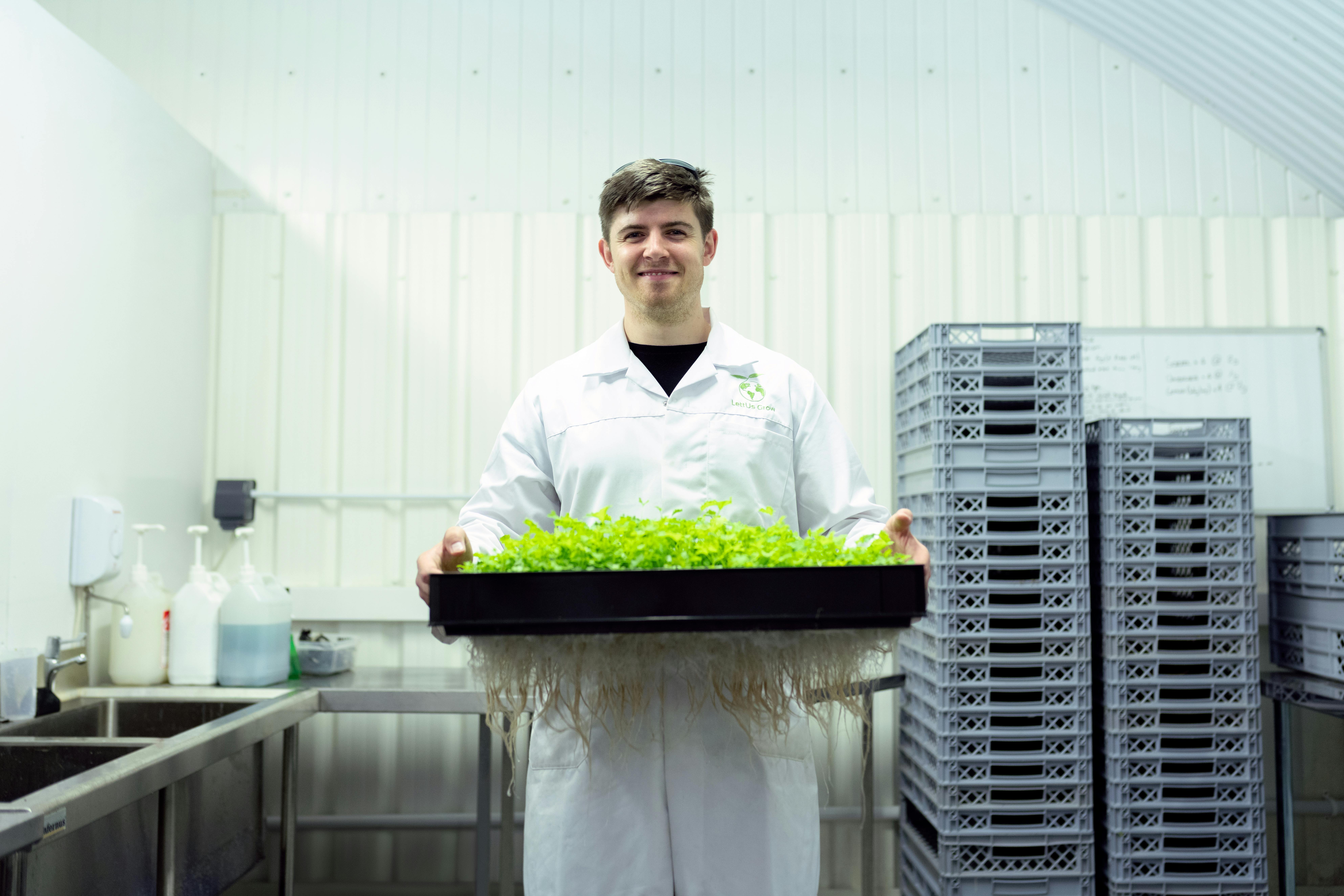
While not changing the crops themselves, indoor farming systems are creating new opportunities for crop optimization. Staple crops bred specifically for controlled environment production could be grown in vertical farms near urban centers, dramatically reducing transportation costs and food waste while providing year-round production independent of weather or climate.
🌱 From Laboratory to Field: Implementation Success Stories
Numerous next-generation crops have already made the journey from research facilities to farmers’ fields, demonstrating real-world impacts on productivity, sustainability, and nutrition. These success stories provide templates for future crop innovations and demonstrate the technology’s potential when properly implemented.
In Bangladesh, flood-tolerant rice varieties have been adopted by millions of farmers, protecting harvests and livelihoods in one of the world’s most flood-prone regions. Studies show that adopting these varieties increased food security, reduced poverty, and improved child nutrition outcomes in affected communities.
Drought-tolerant maize varieties in sub-Saharan Africa have helped millions of farmers maintain productivity despite increasingly erratic rainfall. These varieties, developed through both conventional breeding and marker-assisted selection, have been specifically adapted to local preferences and growing conditions, facilitating rapid adoption.
Bt cotton has transformed cotton production in India and other countries, reducing insecticide applications by 50-70% while increasing yields and improving farmer health by reducing pesticide exposure. The economic benefits have been particularly significant for smallholder farmers who previously spent substantial portions of their income on insecticides.
🎯 Building a Sustainable Agricultural Future
The revolution in staple crop development represents one of humanity’s most important technological frontiers. As we face the dual challenges of feeding a growing population and protecting planetary boundaries, these innovations offer pathways to a more sustainable and food-secure future.
Success will require continued investment in agricultural research, thoughtful regulatory frameworks that facilitate innovation while ensuring safety, transparent communication to build public trust, and policies that ensure equitable access to improved varieties for all farmers, regardless of farm size or location.
The crops we develop today will shape the agricultural landscape for generations to come. By focusing on sustainability, nutrition, climate resilience, and productivity simultaneously, next-generation staple crops promise not just to feed the world, but to do so in ways that protect the environment, improve human health, and support thriving rural communities.
The transformation of agriculture through crop innovation is already underway, moving from research plots to millions of hectares worldwide. As technologies mature and new breakthroughs emerge, the pace of change will only accelerate, revolutionizing how we produce food and reshaping the relationship between humanity and the crops that sustain us. The future of farming is being planted today, one seed at a time. 🌾
