
Anúncios
Learning to drive isn’t just about passing a test—it’s about building skills that keep you and everyone else safe on the road for life.
Anúncios
Whether you’re a complete beginner or someone looking to polish their driving techniques, mastering the fundamentals with confidence can transform your entire experience behind the wheel.


The journey from nervous learner to confident driver doesn’t happen overnight, but with the right approach, knowledge, and practice, it becomes an achievable and even enjoyable process.
Anúncios
Let’s dive into how you can develop the skills and mindset needed to become a safer, smarter driver who truly owns the road with confidence.
🚗 Why Confidence Behind the Wheel Matters More Than You Think
Confidence while driving isn’t about being reckless or overestimating your abilities—it’s about having trust in your skills and decision-making capabilities. When you’re confident, you make clearer decisions, react more appropriately to unexpected situations, and experience significantly less stress during your daily commutes or long road trips.
Nervous drivers tend to make more mistakes because anxiety clouds judgment. They might brake too suddenly, hesitate at intersections when they should proceed, or grip the steering wheel so tightly their knuckles turn white. This tension doesn’t just make driving uncomfortable; it actually makes it more dangerous for everyone involved.
Building genuine confidence comes from understanding the mechanics of driving, knowing the rules thoroughly, and getting plenty of practice in varied conditions. It’s a gradual process that rewards patience and consistency.
The Foundation: Understanding Your Vehicle Inside and Out
Before you even turn the key (or press the start button in modern cars), you need to develop an intimate understanding of your vehicle. Think of your car as an extension of yourself—the better you know it, the more naturally you’ll control it.
Getting Comfortable with the Basics
Start by familiarizing yourself with all the controls without the pressure of actually driving. Sit in the driver’s seat and locate everything: indicators, windshield wipers, headlights, hazard lights, defoggers, and climate controls. Adjust your seat until you can comfortably reach all pedals while maintaining a slight bend in your knees.
Your mirrors are absolutely crucial. The side mirrors should be adjusted so you barely see the edge of your own car, maximizing your view of the lanes beside you. The rearview mirror should frame the entire back window. Many accidents happen in blind spots, so proper mirror adjustment isn’t just helpful—it’s essential for safety.
Understanding How Your Car Responds
Every vehicle has its own personality. Some accelerate quickly, others are more gradual. Brakes can feel soft or firm. Steering might be tight and responsive or require more input. Spend time in empty parking lots just getting a feel for these characteristics before hitting busier roads.
Practice basic maneuvers repeatedly: starting smoothly, stopping without jerking, turning at various speeds, and parking in different scenarios. This muscle memory will serve you incredibly well when you encounter more complex driving situations later.
📚 Mastering the Rules: More Than Just Memorization
Sure, you need to know traffic laws to pass your written test, but truly understanding why these rules exist makes you a dramatically better driver. Rules aren’t arbitrary—they’re designed based on decades of research into accident prevention and traffic flow optimization.
Speed limits, for example, aren’t just numbers picked randomly. They’re calculated based on road conditions, typical pedestrian activity, visibility, and stopping distances. When you understand this, you’ll naturally drive more appropriately rather than just watching for speed cameras.
Right-of-Way Rules That Keep Traffic Flowing
Confusion about who should go first causes countless accidents and traffic jams. Intersections, roundabouts, merging lanes, and pedestrian crossings all have specific protocols that, when followed correctly, create smooth and safe traffic patterns.
At four-way stops, the first vehicle to arrive goes first. If two arrive simultaneously, the driver on the right has priority. Sounds simple, but hesitation and uncertainty at these intersections cause problems daily. Commit these rules to memory and apply them decisively but safely.
🎯 Defensive Driving: Your Secret Weapon for Safety
Defensive driving is essentially assuming that other drivers might make mistakes and positioning yourself to respond safely when they do. This mindset shift is perhaps the single most valuable skill you can develop as a driver.
It means constantly scanning your environment, anticipating potential hazards, and leaving yourself escape routes. When you approach an intersection with a green light, glance both ways anyway—someone might run the red. When driving on the highway, avoid lingering in other vehicles’ blind spots. These small habits compound into dramatically improved safety.
Maintaining Safe Following Distances
The three-second rule is your friend here. Pick a stationary object ahead (like a sign or tree), and when the car in front of you passes it, count “one-thousand-one, one-thousand-two, one-thousand-three.” You should reach that object after finishing the count. In bad weather or at higher speeds, increase this to four or five seconds.
This buffer gives you adequate time to react if the vehicle ahead brakes suddenly. Tailgating might feel like it gets you to your destination faster, but statistically, it saves negligible time while exponentially increasing accident risk.
Weather Wisdom: Adapting to Challenging Conditions 🌧️
Fair-weather driving is one thing, but true mastery means handling rain, fog, snow, and ice with equal competence. Each condition demands specific adjustments to your driving technique.
In rain, your stopping distance increases significantly, and hydroplaning becomes a real risk at higher speeds. Reduce your speed, increase following distance, and avoid sudden steering inputs or hard braking. Your tires need time to channel water away—give them that opportunity.
Fog requires different tactics. Use low-beam headlights or fog lights (high beams just reflect back and reduce visibility). Slow down significantly and use the right edge of the road or painted road markings as guides. Never rely solely on following another vehicle’s taillights.
Winter Driving Deserves Special Attention
Snow and ice transform roads into unpredictable surfaces where normal rules don’t quite apply. Acceleration, braking, and turning all need to be gentler and more gradual. If you feel your car starting to slide, resist the instinct to brake hard—instead, ease off the accelerator and steer gently in the direction you want to go.
Investing time in an empty snowy parking lot to practice controlled skids and recovery techniques can be invaluable. Understanding how your car behaves when traction is compromised gives you enormous confidence when you encounter these conditions on actual roads.
Technology as Your Driving Ally 📱
Modern technology offers incredible resources for learning and improving your driving skills. From apps that help you practice theory tests to those that track and analyze your actual driving habits, there’s probably a digital tool for whatever aspect you want to improve.
Several driving education apps provide interactive lessons, video demonstrations, and practice tests that you can access anytime. These make learning more engaging than traditional manuals and let you study at your own pace, fitting education into your schedule rather than the other way around.
Nenhum dado válido encontrado para as URLs fornecidas.
Dashboard cameras have also become increasingly popular, and for good reason. They provide protection in case of accidents (documenting what actually happened), but they also let you review your own driving to spot areas for improvement. Watching footage of your commute can reveal habits you didn’t even realize you had.
Practice Makes Permanent: The Right Way to Build Skills
There’s a saying that “practice makes perfect,” but it’s more accurate to say “practice makes permanent.” If you practice bad habits, those become permanent too. This is why structured, mindful practice is so important when learning to drive.
Start in low-pressure environments and gradually increase difficulty. Empty parking lots first, then quiet residential streets, then busier roads, and eventually highways and challenging conditions. Each step builds on the previous one, creating a solid foundation of experience.
Driving with Purpose During Practice Sessions
Don’t just drive aimlessly. Set specific goals for each practice session. Maybe today you’ll focus on smooth braking, tomorrow on checking mirrors more frequently, the next day on navigating roundabouts confidently. This targeted approach accelerates improvement dramatically.
After each session, take a moment to reflect. What went well? What felt uncomfortable or uncertain? What will you focus on next time? This metacognitive approach—thinking about your thinking and performance—enhances learning in ways that simple repetition alone cannot achieve.
🚦 Common Mistakes New Drivers Make (And How to Avoid Them)
Everyone makes mistakes while learning, but being aware of the most common ones helps you avoid them or at least recognize them quickly when they happen.
- Looking only directly ahead: Your vision should constantly scan near, mid, and far distances, checking mirrors regularly.
- Gripping the wheel too tightly: Relaxed hands at the 9 and 3 o’clock positions provide better control than death-gripping at 10 and 2.
- Driving too slowly: Going significantly under the speed limit can be as dangerous as speeding, disrupting traffic flow and frustrating other drivers.
- Forgetting to signal: Indicators tell other drivers your intentions—use them every single time, even when you think nobody’s around.
- Poor lane positioning: Stay centered in your lane, neither hugging one edge nor drifting around unnecessarily.
- Overconfidence after initial success: The period right after getting your license is statistically dangerous—stay humble and cautious.
The Psychology of Becoming a Better Driver 🧠
Driving is as much mental as it is physical. Your mindset, emotional state, and psychological approach significantly impact your performance and safety on the road.
Stress and anxiety are normal for new drivers, but they can be managed. Deep breathing exercises before driving, positive self-talk, and gradual exposure to more challenging situations all help reduce driving anxiety over time. Remember that every confident driver was once exactly where you are now—nervous and uncertain.
Dealing with Aggressive Drivers and Road Rage
Unfortunately, you’ll encounter aggressive or impatient drivers. The key is never taking it personally and never engaging. If someone tailgates you, safely change lanes and let them pass. If someone honks or gestures angrily, don’t respond—their bad day doesn’t need to become yours.
Maintaining emotional equilibrium while driving isn’t just about comfort; it’s about safety. Angry or emotional driving impairs judgment similarly to distraction or fatigue. If you’re feeling particularly upset or emotional, it might be worth waiting a few minutes before driving until you’ve calmed down.
Building a Lifetime of Safe Driving Habits
The habits you establish in your first months and years of driving tend to stick with you for life. This makes it absolutely critical to develop good ones from the very beginning rather than having to unlearn bad habits later.
Make it automatic to check your mirrors before any maneuver. Always use your seatbelt before starting the engine—no exceptions, ever. Put your phone on silent or in the glovebox before driving to eliminate temptation. These small rituals become second nature quickly and create a framework for consistently safe driving.
Continuing Education Beyond Your License Test
Getting your license is a beginning, not an ending. Consider taking advanced driving courses, defensive driving classes, or even performance driving schools. Each offers unique perspectives and skills that make you more versatile and capable behind the wheel.
Many insurance companies offer discounts for completing defensive driving courses, so there’s even a financial incentive beyond the obvious safety benefits. These courses often teach techniques and scenarios that basic driver’s education doesn’t cover, filling important gaps in your knowledge.
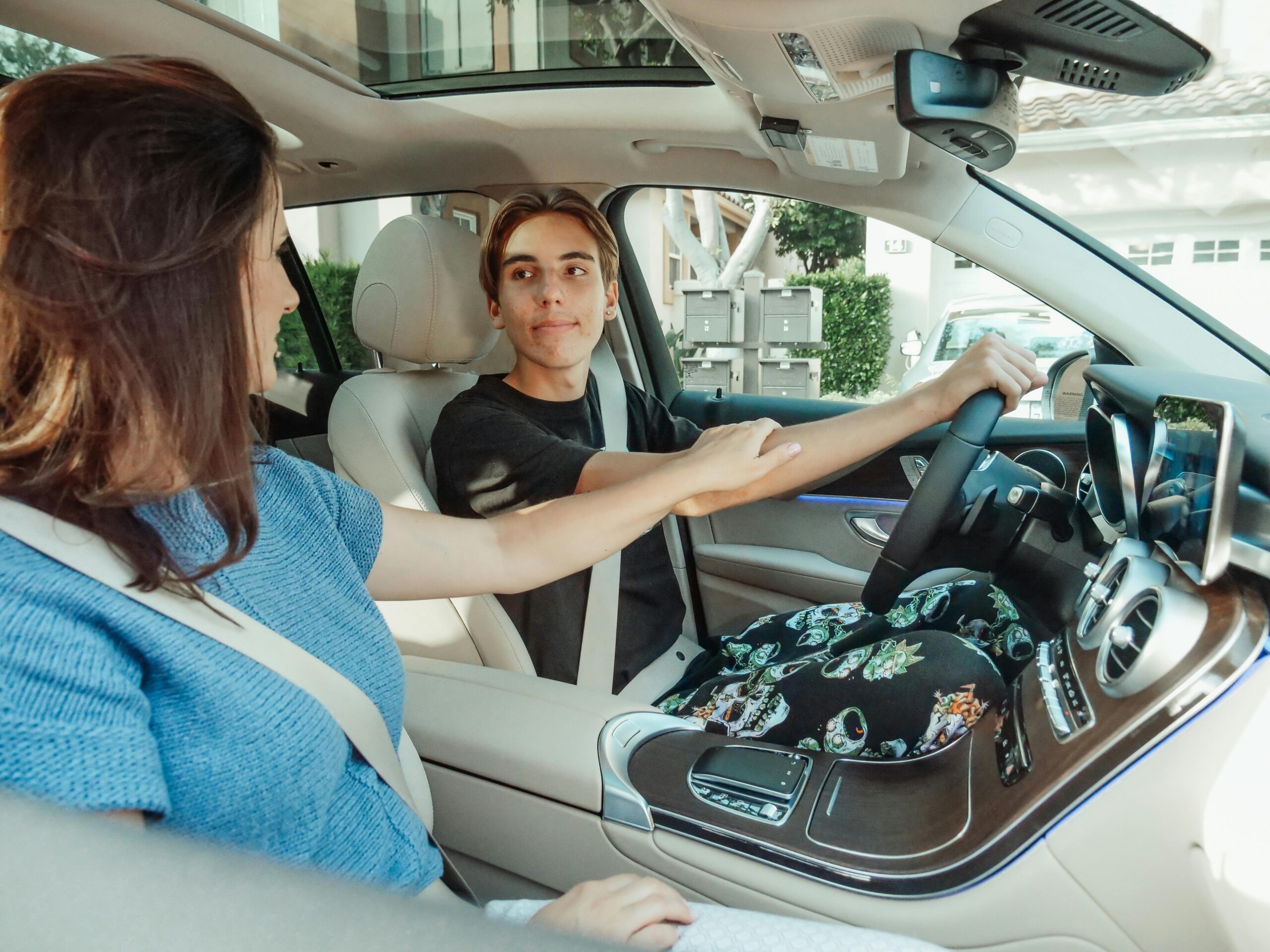
🛣️ Your Journey to Driving Mastery Starts Today
Mastering the road with confidence isn’t about becoming the fastest driver or doing anything flashy—it’s about developing the skills, knowledge, and mindset that keep you and everyone around you safe while making the driving experience genuinely enjoyable rather than stressful.
Every expert driver started exactly where you are right now. The difference between them and beginners isn’t talent or natural ability—it’s simply time spent learning correctly, practicing mindfully, and continuously working to improve. Driving is a skill that you can always refine and enhance, regardless of how long you’ve been doing it.
Start with the fundamentals: know your vehicle intimately, understand the rules thoroughly, practice defensive driving religiously, and approach each drive as an opportunity to improve rather than just a task to complete. Use technology to support your learning, but never let it replace actual seat time and real-world experience.
The road ahead is yours to master. With patience, practice, and the right approach, you’ll develop the confidence and competence that transforms driving from an anxious obligation into a skill you can take genuine pride in. Safe travels, and remember—every journey of a thousand miles begins with a single, well-executed turn of the key. 🚗✨
