
Anúncios
Horror cinema has captivated audiences for over a century, delivering unforgettable nightmares and psychological thrills that continue to resonate with viewers worldwide.
Anúncios
From the shadowy expressionism of silent films to the visceral terror of modern masterpieces, classic horror movies have shaped the genre into what we know today.


These timeless films not only scared audiences but also pushed the boundaries of storytelling, special effects, and psychological depth.
Anúncios
Whether you’re a seasoned horror enthusiast or just beginning your journey into the macabre, exploring these cinematic treasures offers a unique glimpse into the evolution of fear itself.
Let’s dive into the dark corridors of film history and discover why these classics remain essential viewing. 🎬
The Golden Era of Universal Monsters 🧛
The 1930s and 1940s marked the birth of horror as a legitimate film genre, with Universal Pictures leading the charge. These groundbreaking films introduced iconic monsters that have become cultural staples, influencing countless filmmakers and spawning endless remakes and reinterpretations.
Dracula (1931) starring Bela Lugosi defined the vampire archetype for generations. Lugosi’s mesmerizing performance, complete with his Hungarian accent and hypnotic stare, transformed Bram Stoker’s literary creation into a cinematic legend. The film’s atmospheric lighting and gothic set design established visual conventions that horror films still employ today.
Frankenstein (1931) brought Mary Shelley’s tragic creature to life through Boris Karloff’s sensitive yet terrifying portrayal. Director James Whale crafted a sympathetic monster whose story raises profound questions about creation, responsibility, and what it means to be human. The iconic flat-topped makeup design by Jack Pierce remains instantly recognizable nearly a century later.
Other Universal classics worth watching include The Mummy (1932), The Invisible Man (1933), and The Wolf Man (1941). Each film contributed unique mythology and visual styles to the horror lexicon, creating a shared universe long before cinematic universes became fashionable.
Psychological Terror Takes Center Stage 🧠
As cinema matured, so did the sophistication of horror storytelling. The 1960s ushered in an era where psychological terror often proved more effective than visible monsters. Directors began exploring the darkness within the human mind, creating fear through suggestion and atmosphere.
Psycho (1960) revolutionized horror cinema with Alfred Hitchcock’s masterful direction. The infamous shower scene remains one of the most analyzed sequences in film history, demonstrating how editing, music, and suggestion could create overwhelming terror without explicit violence. Anthony Perkins’ portrayal of Norman Bates introduced audiences to a new kind of monster—one that looked entirely ordinary.
The film shattered audience expectations by killing its apparent protagonist halfway through, a narrative gamble that paid off spectacularly. Hitchcock’s use of Bernard Herrmann’s screeching violin score became synonymous with cinematic fear itself.
The Innocents (1961) adapted Henry James’ “The Turn of the Screw” into a sophisticated ghost story that questions reality and sanity. Deborah Kerr’s performance as a governess possibly experiencing supernatural events—or possibly descending into madness—keeps viewers uncertain until the final frame. The film’s ambiguity respects audience intelligence while delivering genuine chills.
Italian Horror and Gothic Aesthetics 🇮🇹
Italian cinema contributed significantly to horror’s evolution, particularly through the giallo genre and gothic horror films. Directors like Mario Bava and Dario Argento elevated horror into visual art, emphasizing striking cinematography and elaborate set pieces.
Black Sunday (1960), also known as “The Mask of Satan,” showcased Mario Bava’s extraordinary talent for gothic atmosphere. Shot in stunning black and white, the film tells a tale of witchcraft and revenge with operatic intensity. Barbara Steele’s dual performance as a witch and her innocent descendant established her as horror royalty.
Bava’s influence extended through films like Black Sabbath (1963) and Blood and Black Lace (1964), the latter essentially creating the template for slasher films with its stylized murders and mysterious killer.

Suspiria (1977) by Dario Argento represents the pinnacle of Italian horror artistry. Set in a German ballet school hiding supernatural secrets, the film assaults the senses with vivid primary colors, a prog-rock score by Goblin, and surreal imagery. Argento’s approach prioritizes nightmarish visual poetry over conventional narrative logic, creating an unforgettable fever dream.
The Birth of Modern Horror Cinema 🔪
The 1970s witnessed horror cinema embracing contemporary settings and social commentary. Filmmakers addressed real-world anxieties through supernatural and violent narratives, creating films that felt immediate and relevant to their audiences.
Night of the Living Dead (1968) fundamentally changed horror filmmaking. George A. Romero’s low-budget masterpiece not only created the modern zombie genre but also incorporated social commentary about racism and societal breakdown. The casting of African American actor Duane Jones as the heroic protagonist was groundbreaking for its time, adding layers of meaning to the film’s apocalyptic scenario.
Shot in stark black and white with a documentary-like aesthetic, the film’s gritty realism made its horror feel uncomfortably plausible. Romero’s zombies weren’t supernatural creatures but victims of an unexplained phenomenon, making them both pitiable and terrifying.
The Exorcist (1973) brought supernatural horror into suburban America with unprecedented intensity. William Friedkin’s adaptation of William Peter Blatty’s novel depicts a young girl’s demonic possession with shocking explicitness. The film’s power lies in its contrast between ordinary domestic life and extreme supernatural evil.
The Exorcist sparked cultural conversations about faith, evil, and the limits of medical science. Reports of audience members fainting or fleeing theaters contributed to its legendary status. Linda Blair’s performance and the groundbreaking makeup effects created an enduring icon of cinematic terror.
Slashers and Survival Horror 🏃
The late 1970s and early 1980s saw the rise of slasher films, where masked killers stalked teenagers in increasingly creative ways. While often dismissed as exploitation, the best slashers combined genuine suspense with clever commentary on social norms.
Halloween (1978) established the slasher template with elegant simplicity. John Carpenter’s direction emphasizes suspense over gore, using his own minimalist synthesizer score to build tension. The film follows masked killer Michael Myers as he stalks babysitter Laurie Strode (Jamie Lee Curtis in her debut role) through suburban Haddonfield.
Carpenter’s use of widescreen compositions and point-of-view shots puts viewers uncomfortably inside the killer’s perspective. The film’s success spawned numerous sequels and imitators, but few matched the original’s craftsmanship and restraint.
A Nightmare on Elm Street (1984) revitalized slasher conventions by setting murders within dreams. Wes Craven’s imaginative premise—a burned killer who attacks teenagers in their sleep—allowed for surreal imagery and creative kills. Robert Englund’s Freddy Krueger became horror’s wisecracking villain, mixing humor with genuine menace.
The film’s exploration of guilt, responsibility, and the sins of parents visited upon children added unexpected depth to its fantastic premise. Its influence continues through countless dream-based horror films.
Supernatural Horror and Haunted Houses 👻
Ghost stories have always formed horror’s backbone, but certain classics elevated the haunted house subgenre into high art. These films understand that effective supernatural horror requires atmosphere, patience, and respect for the unseen.
The Haunting (1963) directed by Robert Wise remains the gold standard for ghost stories. Based on Shirley Jackson’s “The Haunting of Hill House,” the film uses sound design, camera angles, and psychological suggestion rather than visual effects. The ambiguity about whether Hill House is genuinely haunted or whether the characters are experiencing shared delusion makes it endlessly rewatchable.
Julie Harris delivers a remarkable performance as Eleanor, whose psychological fragility makes her either sensitive to supernatural forces or susceptible to mental breakdown. The film’s restraint demonstrates how the unseen can terrify more effectively than explicit scares.
Poltergeist (1982) brought suburban haunting into the Spielberg era with spectacular effects and genuine emotional stakes. Tobe Hooper’s direction balances wonder and terror as the Freeling family confronts spirits invading their home through the television. The film taps into primal fears about technology, death, and the violation of domestic safety.
Body Horror and Transformation 🧬
Some horror classics focus on bodily transformation and degradation, forcing viewers to confront physical vulnerability and mortality. These films operate on visceral levels, making audiences squirm while contemplating deeper themes.
The Fly (1986) reimagined the 1958 original as a tragic love story and meditation on disease. David Cronenberg’s version follows scientist Seth Brundle (Jeff Goldblum) as his teleportation experiment goes wrong, gradually transforming him into a human-insect hybrid. The film’s makeup effects remain stunning, but Goldblum’s emotional performance provides the heart.
Cronenberg uses body horror to explore themes of aging, illness, and the loss of self. The film resonated particularly during the AIDS crisis, though its themes remain universal. Geena Davis provides emotional grounding as Brundle’s girlfriend witnessing his horrific decline.
The Thing (1982), another Carpenter masterpiece, showcases paranoia and distrust alongside Rob Bottin’s groundbreaking practical effects. Set in an Antarctic research station, the film follows a team confronting a shape-shifting alien that perfectly imitates its victims. The isolation, masculine dynamics, and inability to trust anyone create suffocating tension.
International Horror Treasures 🌍
Horror cinema thrives globally, with different cultures contributing unique perspectives on fear. Exploring international classics broadens understanding of how various societies process anxiety and the unknown.
Onibaba (1964) from Japan combines period drama with psychological horror. Set during a civil war, the film follows two women who survive by killing lost samurai and selling their equipment. When a mysterious mask enters their lives, the story shifts into supernatural territory while maintaining its examination of poverty and survival.
Let the Right One In (2008) from Sweden reimagined vampire mythology through a tender coming-of-age story. The relationship between bullied boy Oskar and mysterious vampire child Eli unfolds with quiet beauty and sudden violence. The film’s snowy setting and minimalist approach create a unique atmosphere that Hollywood’s remake couldn’t fully capture.
Kwaidan (1964), another Japanese masterpiece, presents four ghost stories with painterly visuals and deliberate pacing. Director Masaki Kobayashi treats each tale as visual poetry, with elaborate sets and careful composition creating otherworldly beauty alongside supernatural dread.
Where to Watch These Timeless Classics 📺
Accessing classic horror films has never been easier thanks to streaming services and specialty platforms. Many services offer curated horror collections, particularly around Halloween, making it simple to explore cinema history from your couch.
Free streaming options like Pluto TV provide dedicated horror channels featuring classic films alongside contemporary offerings. These platforms rotate content regularly, giving viewers opportunities to discover forgotten gems alongside established favorites.
Physical media enthusiasts should explore labels like Criterion Collection, Arrow Video, and Scream Factory, which release restored versions with extensive bonus features. These editions often include commentary tracks, documentaries, and essays that deepen appreciation for these films’ historical and artistic significance.
Local libraries frequently maintain classic film collections, offering free access to titles that might require rental or purchase elsewhere. Revival theaters and film festivals occasionally screen these classics on the big screen, providing optimal viewing experiences with enthusiastic audiences.
Why Classic Horror Still Matters Today 💀
Contemporary horror films owe enormous debts to these foundational works. Understanding classic horror provides context for modern genre trends and techniques. Today’s filmmakers regularly reference, homage, and reimagine these classics, creating dialogue across decades.
Beyond historical importance, these films remain genuinely effective. They demonstrate that sophisticated scares don’t require constant jump scares or extreme violence. Many classics build dread through atmosphere, suggestion, and psychological insight—techniques that never become outdated.
Classic horror also captures specific cultural moments, reflecting the anxieties and social dynamics of their eras. Watching them offers windows into how different periods understood fear, morality, and the unknown. This historical dimension adds richness beyond simple entertainment.
For aspiring filmmakers, studying classics reveals fundamental storytelling principles. How does Psycho manipulate audience expectations? What makes The Exorcist disturbing despite dated effects? Why does Halloween remain tense on repeated viewings? Analyzing these questions develops deeper understanding of cinematic craft.
Building Your Classic Horror Education 🎓
Approaching classic horror systematically enhances appreciation and understanding. Consider organizing your viewing by era, subgenre, or national origin. This structured approach reveals evolution and cross-pollination between different traditions and time periods.
Start with the most influential titles—films that spawned subgenres or revolutionized techniques. Once familiar with these cornerstones, explore deeper cuts and forgotten gems. Horror history contains countless overlooked treasures waiting for rediscovery.
Pairing films with critical writing enriches the experience. Books like “Men, Women, and Chain Saws” by Carol Clover or “The Monster Show” by David J. Skal provide theoretical frameworks for understanding horror’s cultural functions. Online resources, podcasts, and video essays offer accessible analysis from passionate fans and scholars.
Watching with friends or participating in online communities transforms solitary viewing into social experiences. Discussing interpretations, favorite moments, and historical contexts deepens engagement while building connections with fellow enthusiasts.
Creating the Perfect Viewing Atmosphere 🕯️
Classic horror films deserve proper viewing conditions to maximize their impact. Unlike scrolling through movies on phones, these films reward focused attention in appropriate settings.
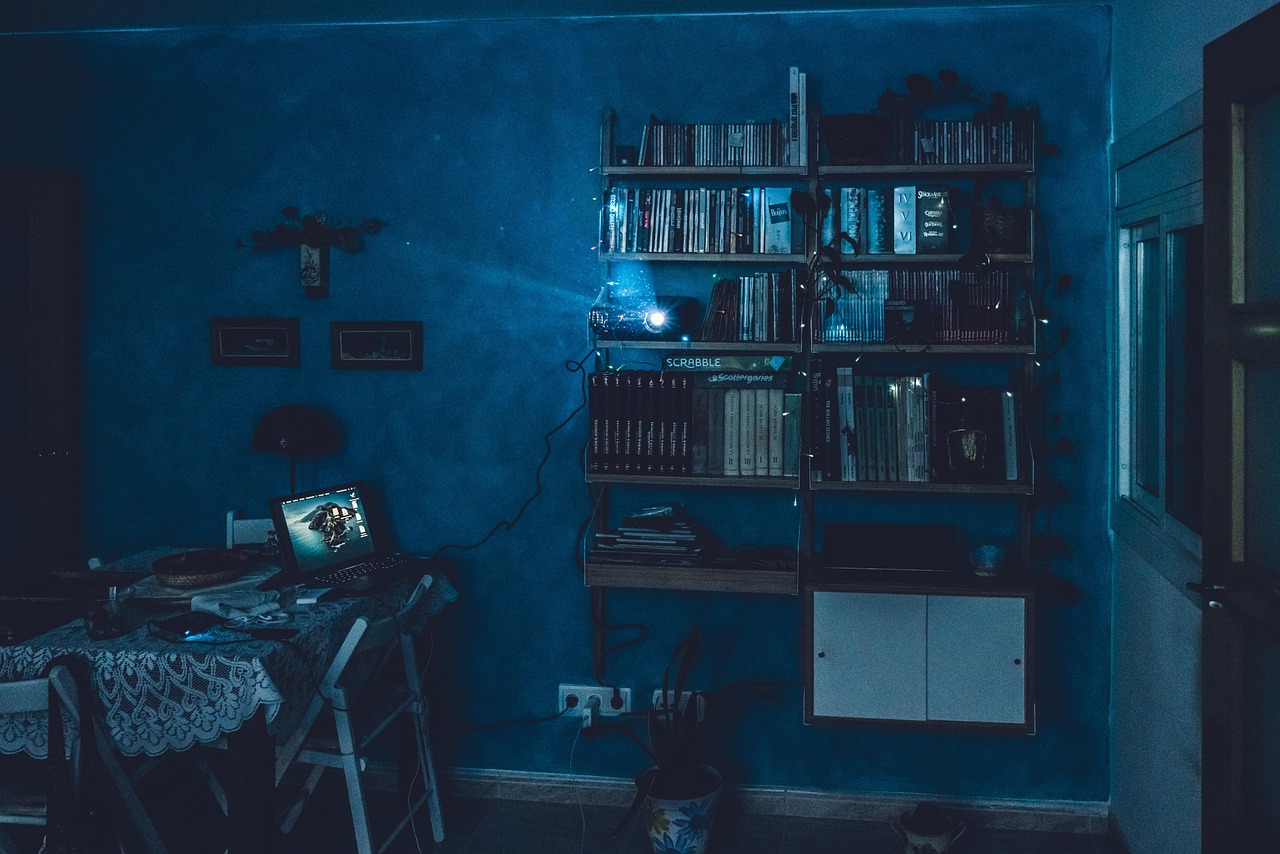
Watch in darkness or dim lighting to enhance atmospheric effects and prevent distractions. Quality sound systems or headphones help appreciate sound design—often crucial to classic horror’s effectiveness. Many classics use silence and subtle audio cues that laptop speakers can’t adequately reproduce.
Consider the time of day and your mental state. Horror films work best when you’re receptive and able to focus. Late-night viewing enhances certain films’ effectiveness, while others might work better in afternoon gloom.
Respect each film’s pacing and style. Some classics employ deliberate, slow-building tension that modern audiences conditioned on rapid editing might initially find challenging. Give these films space to work their magic rather than checking phones during quieter moments.
Preserving Horror’s Legacy for Future Generations 🎞️
Many classic horror films face deterioration and obscurity. Film preservation organizations work tirelessly to restore and maintain these cultural treasures. Supporting these efforts through donations or membership ensures future audiences can experience these masterpieces.
Sharing classic horror with younger viewers helps maintain the genre’s history. Watching these films with children (age-appropriate titles, naturally) or teenagers introduces them to cinema beyond contemporary releases while creating intergenerational bonding opportunities.
Writing reviews, creating content, or simply recommending favorites keeps these films in cultural conversation. Every enthusiastic recommendation potentially introduces someone to a life-changing viewing experience.
The horror classics discussed here represent merely a starting point for exploration. Countless other deserving films await discovery—regional variants, obscure masterpieces, and personal favorites that resonate with individual viewers. Horror cinema’s rich history offers endless opportunities for discovery and rediscovery. So dim the lights, silence your phone, and prepare to experience fear crafted by cinema’s masters. These films have earned their classic status through artistry, innovation, and their ability to reach across decades and still make hearts race. Happy viewing, and remember: the best scares often come from the oldest nightmares. 🎬👻
