
Anúncios
Transforming your kitchen skills from basic to exceptional doesn’t require culinary school or years of practice—just the right approach and dedication.
Anúncios
The culinary world has long been perceived as an exclusive domain reserved for professionally trained chefs and those with innate talent.


However, this misconception has prevented countless home cooks from exploring their potential and discovering the joy of creating restaurant-quality dishes in their own kitchens.
Anúncios
The truth is that cooking excellence is a skill set that can be systematically developed through understanding fundamental principles, practicing essential techniques, and cultivating confidence in the kitchen.
Recent studies indicate that home cooking has experienced a significant resurgence, with more individuals seeking to develop their culinary abilities.
This shift reflects not only economic considerations but also a growing awareness of the health benefits, creative satisfaction, and social connections that cooking provides.
The modern kitchen has become a laboratory for experimentation, where traditional techniques meet contemporary innovations, and where anyone willing to learn can achieve remarkable results.
🔪 Building Your Foundation: Essential Kitchen Knowledge
Every accomplished chef began their journey by mastering the fundamentals. Understanding basic cooking methods forms the cornerstone of culinary expertise. These techniques—sautéing, roasting, braising, grilling, and steaming—represent the building blocks upon which countless recipes are constructed. Each method applies heat differently, producing distinct flavors, textures, and nutritional outcomes.
The concept of mise en place, a French term meaning “everything in its place,” revolutionizes the cooking experience. Professional kitchens operate on this principle, which involves preparing and organizing all ingredients before cooking begins. This practice eliminates mid-recipe scrambling, reduces stress, and ensures that dishes are executed with precision and timing. Implementing mise en place transforms chaotic cooking sessions into smooth, enjoyable experiences.
Temperature control represents another critical element often overlooked by novice cooks. Understanding when to use high heat for searing, medium heat for sautéing, or low heat for simmering directly impacts the final dish’s quality. Proteins require specific internal temperatures to ensure both safety and optimal texture, while vegetables benefit from varying heat levels depending on desired outcomes.
Knife Skills That Make the Difference
Proper knife technique significantly affects cooking efficiency and results. A sharp chef’s knife, maintained through regular honing and occasional professional sharpening, becomes an extension of your hand. The basic cuts—dice, julienne, chiffonade, and brunoise—aren’t merely aesthetic choices; they ensure uniform cooking and professional presentation.
Investing time in developing knife skills pays dividends throughout your culinary journey. Practice the claw grip to protect your fingers while achieving consistent cuts. Learn to use the knife’s weight and rocking motion rather than forcing cuts through ingredients. These techniques reduce preparation time while increasing safety and precision.
🥘 Mastering Flavor: The Science Behind Delicious Food
Understanding flavor development transforms cooking from following recipes to creating culinary art. The five basic tastes—sweet, salty, sour, bitter, and umami—interact in complex ways. Balancing these elements distinguishes memorable dishes from forgettable meals. Salt enhances other flavors, acid brightens dishes, sweetness rounds sharp edges, bitterness adds depth, and umami provides savory satisfaction.
The Maillard reaction, a chemical process occurring when proteins and sugars are exposed to heat, creates the complex flavors and appealing colors in seared meats, toasted bread, and roasted vegetables. Achieving proper browning requires dry surfaces, adequate heat, and patience—resist the urge to move ingredients constantly, allowing them to develop that coveted golden crust.
Layering flavors throughout the cooking process creates depth and complexity. Start by building an aromatic base with onions, garlic, and celery. Add spices early to bloom their essential oils. Incorporate herbs at different stages—hardy herbs like rosemary withstand long cooking, while delicate herbs like basil should be added near the end to preserve their brightness.
Seasoning Strategies for Professional Results
Seasoning represents perhaps the single most important factor separating amateur cooking from professional results. The principle “season as you go” ensures that every component of a dish is properly flavored, rather than attempting to correct blandness at the end. Taste frequently throughout the cooking process, adjusting seasoning gradually.
Salt does more than make food taste salty—it enhances inherent flavors and balances sweetness. Different salts serve different purposes: fine salt for baking precision, kosher salt for everyday cooking and seasoning meats, and finishing salts for textural interest and flavor bursts. Understanding when and how much salt to use develops through practice and attentive tasting.
📱 Digital Resources for Modern Culinary Education
Technology has democratized culinary education, providing unprecedented access to techniques, recipes, and instruction. Video tutorials allow visual learners to observe techniques in real-time, while cooking apps offer step-by-step guidance, ingredient substitutions, and timing assistance. These digital resources complement hands-on practice, accelerating skill development.
Recipe management applications help organize your growing collection of favorite dishes, while others provide meal planning features that streamline grocery shopping and reduce food waste. Some platforms connect home cooks with professional chefs who offer personalized guidance and answer specific questions. This accessibility removes traditional barriers to culinary education.
🍳 Essential Techniques Every Home Chef Should Master
Certain techniques repeatedly appear across cuisines and recipes, making them worthy of focused practice. Mastering these core skills provides the versatility to tackle virtually any dish with confidence.
The Perfect Sauté
Sautéing involves cooking food quickly in a small amount of fat over relatively high heat. This technique requires a hot pan, dry ingredients, and constant attention. The pan must be adequately heated before adding fat, and the fat must shimmer before ingredients are introduced. Overcrowding the pan creates steam rather than the desired browning, so work in batches when necessary.
Roasting for Maximum Flavor
Roasting uses dry, indirect heat to cook food evenly while developing exterior caramelization. Proper roasting requires adequate oven temperature—typically between 375°F and 450°F—and sufficient space around ingredients for air circulation. Vegetables benefit from light oil coating and occasional turning, while proteins often roast best when started at high temperature then finished at lower heat.
Building Sauces from Foundations
Classical French cuisine identifies five mother sauces—béchamel, velouté, espagnole, hollandaise, and tomato—from which countless variations derive. Understanding these foundations enables creative sauce-making without recipes. A basic pan sauce, created by deglazing after searing proteins, adds restaurant-quality finish to simple dishes with minimal effort.
🥗 Ingredient Selection and Quality Matters
The quality of your ingredients directly impacts your final results. Fresh, seasonal produce offers superior flavor and nutrition compared to out-of-season alternatives shipped long distances. Visiting farmers’ markets connects you with local growers while providing access to peak-quality ingredients and unusual varieties unavailable in conventional supermarkets.
Understanding ingredient selection extends beyond freshness. Different cuts of meat suit different cooking methods—tough, collagen-rich cuts become tender through slow braising, while tender cuts shine with quick, high-heat preparation. Knowing which mushrooms provide earthiness, which peppers offer heat versus sweetness, and which herbs complement specific proteins elevates your cooking significantly.
Building relationships with butchers, fishmongers, and produce specialists provides valuable knowledge and often access to specialty items. These professionals offer preparation advice, cooking suggestions, and insider information about upcoming seasonal availability. Their expertise becomes part of your culinary education.
⏱️ Time Management and Kitchen Organization
Efficient kitchen operation requires strategic planning and organization. Reading recipes completely before beginning prevents mid-cooking surprises and allows you to plan your timeline. Identify which components can be prepared in advance—dressings, marinades, chopped vegetables—and which require last-minute attention.
Establishing cooking stations for different tasks minimizes movement and maintains workflow. Designate areas for vegetable preparation, protein handling, and plating. Keep frequently used tools within easy reach while storing specialized equipment separately. This organization reduces stress and increases productivity.
Cleaning as you go prevents overwhelming post-cooking cleanup and maintains a functional workspace. Fill a bowl with warm soapy water for soaking used utensils, wipe surfaces between tasks, and load the dishwasher progressively. These habits transform cooking from a messy ordeal into a sustainable practice.
🌍 Exploring Global Flavors and Techniques
Expanding your culinary repertoire through international cuisines introduces new ingredients, techniques, and flavor combinations. Each culinary tradition offers unique approaches to common ingredients and time-tested methods developed over generations. Italian cuisine teaches the importance of quality ingredients simply prepared, while Thai cooking demonstrates complex flavor balancing, and Japanese cuisine emphasizes precision and respect for ingredients.
Starting with accessible dishes from various traditions builds confidence before attempting more complex preparations. Master a basic stir-fry before tackling complex Chinese banquet dishes. Perfect a simple pasta aglio e olio before attempting fresh pasta production. This progressive approach prevents frustration while steadily expanding capabilities.
Stocking an International Pantry
Building a well-stocked pantry with international staples enables spontaneous cooking across various cuisines. Soy sauce, fish sauce, miso paste, tahini, harissa, and curry pastes provide authentic flavor bases. These ingredients typically offer long shelf life and transform simple proteins and vegetables into globally-inspired meals.
💡 Developing Your Culinary Intuition
Moving beyond strict recipe following toward intuitive cooking represents an important developmental milestone. This progression begins by understanding why recipes work—how ingredients interact, why specific techniques are employed, and what each component contributes. With this knowledge, recipes become guidelines rather than rigid instructions.
Experimentation drives intuition development. Intentionally vary one element in familiar recipes—substitute herbs, swap cooking methods, or adjust seasoning ratios—observing how changes affect outcomes. Some experiments fail, providing valuable lessons about ingredient compatibility and technique limitations. Successful variations become personal signatures.
Tasting critically throughout the cooking process trains your palate and decision-making abilities. Ask yourself what the dish needs—brightness from acid, depth from salt, richness from fat, or complexity from additional spices. This analytical approach transforms cooking from mechanical recipe execution into creative problem-solving.
🎯 Setting Realistic Goals and Tracking Progress
Culinary skill development benefits from structured goal-setting. Rather than vague aspirations to “cook better,” establish specific, measurable objectives. Commit to mastering one new technique monthly, exploring a different cuisine quarterly, or perfecting signature dishes for various occasions. These concrete goals provide direction and motivation.
Documenting your culinary journey through photos, notes, and reflections creates a personal reference library while tracking progress. Record successful recipes with personal modifications, note failed experiments and lessons learned, and photograph particularly successful presentations. This documentation becomes increasingly valuable as your skills develop.
🍽️ Plating and Presentation Principles
Visual presentation significantly influences dining experience and perceived flavor. Professional chefs understand that we eat with our eyes first, making presentation an essential component of cooking excellence. Fortunately, basic plating principles are easily learned and dramatically improve your dishes’ appeal.
The rule of odds suggests that odd numbers of components—three scallops, five asparagus spears—create more visually interesting presentations than even numbers. Height adds drama and sophistication to plates, achieved through stacking, leaning, or using ring molds. Negative space prevents cluttered appearances, allowing individual components to shine.
Color contrast enhances visual appeal—bright green herbs against brown proteins, red tomatoes with white mozzarella, or orange carrots beside purple cabbage. Texture variation adds interest through crunchy elements with creamy components or smooth purees with coarse grains. These considerations elevate home cooking to restaurant quality.
🤝 Cooking as Social Connection
Cooking for others represents one of life’s fundamental acts of care and community building. Sharing meals creates connections, celebrates occasions, and demonstrates affection. As your skills develop, hosting dinner parties, contributing to potlucks, and cooking for family becomes increasingly rewarding.
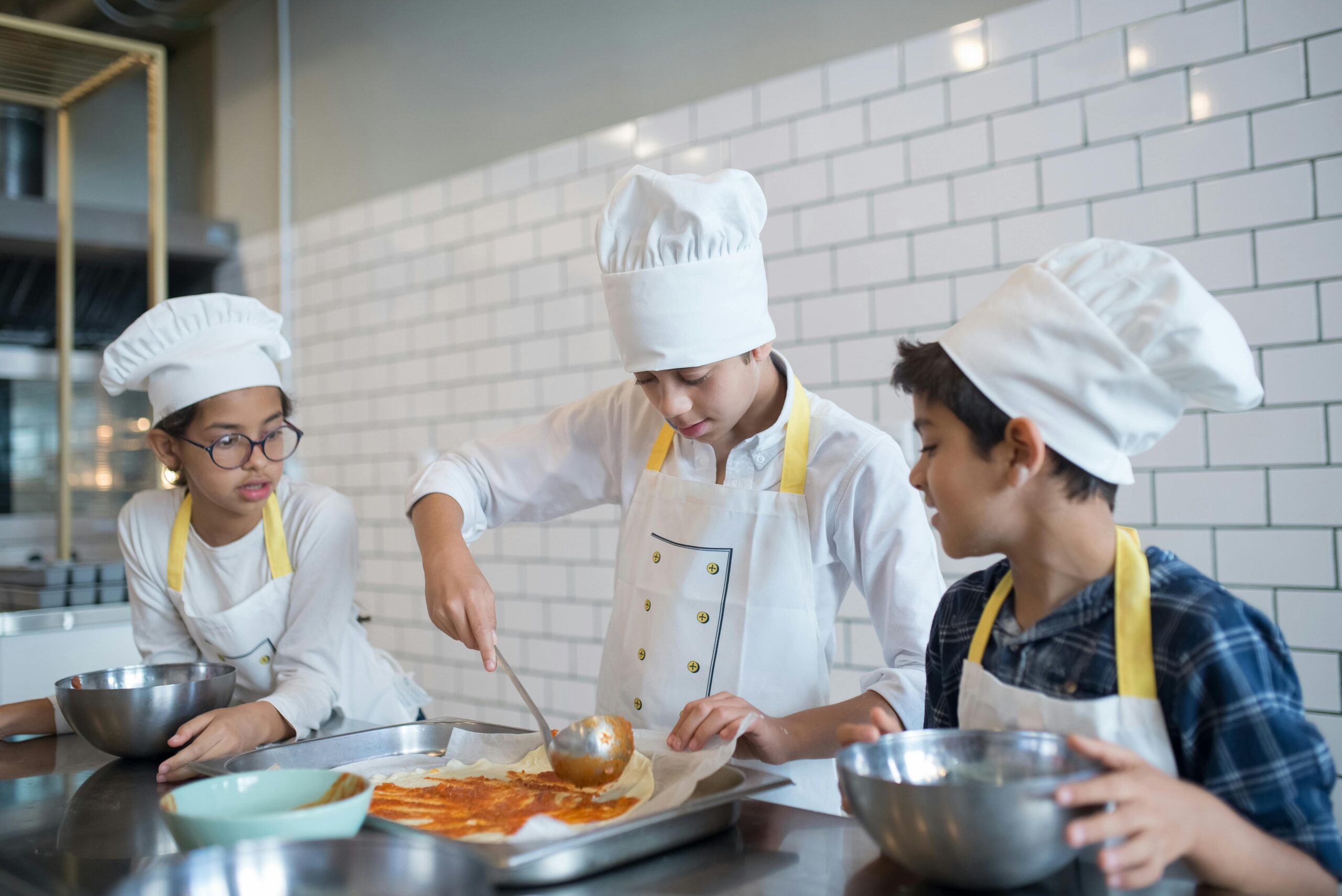
Collaborative cooking multiplies enjoyment while accelerating learning. Cooking with friends, family members, or joining cooking clubs provides opportunities to share techniques, discover new recipes, and enjoy immediate feedback. These social experiences transform cooking from solitary task into communal celebration.
Teaching others reinforces your own understanding while spreading culinary knowledge. Explaining techniques to novice cooks clarifies your thinking and often reveals gaps in your understanding, motivating deeper learning. The student frequently becomes the teacher as cooking skills develop.
🌱 Sustainable Cooking Practices
Modern culinary excellence increasingly incorporates sustainability considerations. Reducing food waste through proper storage, creative use of leftovers, and complete ingredient utilization demonstrates both environmental consciousness and culinary resourcefulness. Vegetable scraps become flavorful stocks, stale bread transforms into croutons or breadcrumbs, and protein trimmings create rich sauces.
Seasonal cooking reduces environmental impact while maximizing flavor and nutrition. Summer tomatoes, autumn squash, winter root vegetables, and spring asparagus taste dramatically better when harvested at their natural peak. This approach also encourages menu variety throughout the year rather than monotonous repetition.
Understanding your kitchen’s environmental footprint—energy consumption, water usage, packaging waste—enables informed decisions. Batch cooking reduces energy usage, proper refrigerator organization prevents food spoilage, and mindful shopping minimizes packaging waste. These practices align culinary pursuits with broader environmental values.
The journey toward culinary excellence is continuous, marked by incremental improvements rather than sudden transformations. Each dish prepared, technique practiced, and recipe attempted contributes to developing expertise. Embrace failures as learning opportunities, celebrate successes as milestones, and maintain curiosity about ingredients, techniques, and cuisines. The kitchen offers endless opportunities for creativity, experimentation, and satisfaction—approach it with enthusiasm, patience, and willingness to learn. Your transformation into a confident, capable home chef begins with the next meal you prepare, armed with knowledge, techniques, and passion for creating delicious food.
