
Anúncios
Learning to cook doesn’t have to be overwhelming or complicated.
Anúncios
With the right approach and a few essential techniques, anyone can prepare delicious meals at home with confidence and joy.


The kitchen has long been considered a mysterious place for many people, filled with complicated recipes and intimidating techniques. But the truth is that cooking is simply a skill like any other—one that improves with practice, patience, and the right guidance.
Anúncios
Whether you’re a complete beginner who has never cracked an egg or someone looking to expand your culinary repertoire, this guide will show you practical, straightforward methods to build your cooking confidence from the ground up.
Let’s explore how you can transform your relationship with food preparation and discover the satisfaction that comes from creating your own meals.
🍳 Why Learning to Cook Is Worth Your Time
Before diving into techniques and recipes, it’s important to understand why cooking at home matters. Beyond the obvious benefit of eating, preparing your own meals offers numerous advantages that impact your health, wallet, and overall quality of life.
Cooking at home gives you complete control over ingredients, allowing you to avoid excessive sodium, unhealthy fats, and artificial additives commonly found in restaurant and processed foods. You’ll know exactly what goes into every dish, making it easier to maintain a balanced diet tailored to your specific nutritional needs.
Financial savings represent another compelling reason to embrace home cooking. Eating out regularly can drain your budget quickly, whereas preparing meals yourself costs a fraction of the price. Even with quality ingredients, homemade meals typically cost 50-70% less than restaurant equivalents.
There’s also something deeply satisfying about creating something with your own hands. The process of transforming raw ingredients into a finished dish provides a sense of accomplishment that few other activities can match. Plus, cooking for family and friends strengthens relationships and creates lasting memories around shared meals.
🔪 Essential Kitchen Tools for Beginners
You don’t need a kitchen filled with expensive gadgets to start cooking effectively. A few fundamental tools will cover the vast majority of basic recipes and techniques.
Start with a quality chef’s knife—this single tool will become your most-used kitchen companion. An 8-inch blade offers versatility for chopping vegetables, slicing meat, and mincing herbs. Pair it with a paring knife for smaller, more delicate tasks.
A solid cutting board is equally essential. Opt for either wood or plastic, and consider having separate boards for raw meats and vegetables to prevent cross-contamination.
For cookware, begin with these basics:
- A large skillet or frying pan (preferably non-stick or stainless steel)
- A medium saucepan with a lid for boiling, simmering, and making sauces
- A large pot for pasta, soups, and stocks
- A baking sheet for roasting vegetables and baking
- A casserole dish for oven-based recipes
Additional helpful items include measuring cups and spoons, a wooden spoon, a spatula, a whisk, and a colander for draining pasta and washing vegetables. These simple tools provide everything needed to execute most fundamental cooking techniques.
🥗 Mastering Basic Cooking Techniques
Once your kitchen is equipped, focus on learning a handful of core techniques that form the foundation of countless recipes. These methods aren’t complicated—they simply require understanding and practice.
Proper Knife Skills
Efficient chopping makes cooking faster and more enjoyable. Hold your chef’s knife firmly with your thumb and forefinger gripping the blade just in front of the handle. Use a rocking motion, keeping the tip on the cutting board while the heel moves up and down.
For your other hand, form a “claw” with your fingertips tucked under and knuckles forward. This protects your fingers while guiding the knife safely through ingredients.
Understanding Heat Levels
Controlling temperature is crucial for cooking success. High heat works for searing meat and stir-frying vegetables quickly. Medium heat suits most everyday cooking—sautéing onions, cooking chicken breasts, or making scrambled eggs. Low heat is perfect for simmering sauces, melting chocolate, or keeping dishes warm.
Learning to recognize visual cues helps tremendously. Oil shimmering in a pan indicates readiness for cooking. Bubbles forming steadily (but not violently) around food in water signal a proper simmer. These observations become second nature with experience.

Sautéing and Pan-Frying
This versatile technique involves cooking food quickly in a small amount of fat over relatively high heat. Preheat your pan, add oil or butter, then add ingredients once the fat is hot. Keep food moving occasionally to prevent burning and ensure even cooking.
Crowding the pan causes steaming instead of browning, so cook in batches if necessary. The beautiful golden-brown color that develops—known as the Maillard reaction—adds incredible flavor to your dishes.
Roasting Vegetables
Roasting transforms ordinary vegetables into caramelized, flavorful sides. Cut vegetables into uniform pieces, toss with olive oil, salt, and pepper, then spread in a single layer on a baking sheet. Roast at 400-425°F (200-220°C) until tender and golden, usually 20-40 minutes depending on the vegetable.
📝 Building Your Recipe Foundation
Rather than trying to master hundreds of recipes, focus on learning 10-15 reliable dishes that you can prepare confidently. This core repertoire should include various protein preparations, several vegetable sides, and a few one-pot meals.
Start with simple, forgiving recipes that don’t require precise timing or advanced techniques. Scrambled eggs, pasta with tomato sauce, roasted chicken thighs, stir-fried vegetables, and basic soups represent excellent starting points.
As you gain confidence, gradually expand your collection by trying one new recipe each week. This manageable pace prevents overwhelm while steadily building your skills and knowledge.
🧂 Understanding Flavor Building
Great cooking isn’t about following recipes exactly—it’s about understanding how flavors work together. This knowledge allows you to adjust dishes to your taste and improvise when ingredients aren’t available.
Salt enhances other flavors and should be added gradually throughout cooking, not just at the end. Taste as you go and adjust seasoning before serving. Under-salted food tastes flat and uninteresting, while properly seasoned dishes sing with flavor.
Acidity from lemon juice, vinegar, or tomatoes brightens dishes and balances richness. A squeeze of lemon can transform a good dish into a great one.
Fat carries flavor and creates satisfying texture. Olive oil, butter, and other fats aren’t just cooking mediums—they’re essential flavor components that make food taste delicious.
Aromatics like onions, garlic, and ginger form flavor foundations for countless dishes. Cooking these ingredients first in oil releases their essential compounds and creates depth.
🥘 Simple Recipes to Start Your Journey
Let’s explore a few beginner-friendly recipes that demonstrate fundamental techniques while producing genuinely delicious results.
Perfect Scrambled Eggs
Beat 2-3 eggs with a splash of milk, salt, and pepper. Heat a non-stick pan over medium-low heat with a tablespoon of butter. Pour in eggs and let them sit for 20 seconds. Gently push the eggs from the edges toward the center with a spatula, allowing uncooked egg to flow to the edges. Remove from heat when still slightly wet—they’ll continue cooking from residual heat.
Basic Tomato Pasta
Sauté minced garlic in olive oil until fragrant (about 30 seconds). Add a can of crushed tomatoes, salt, pepper, and dried basil or oregano. Simmer for 15-20 minutes while your pasta cooks. Toss drained pasta with sauce, adding pasta water if needed to achieve desired consistency. Finish with grated Parmesan cheese.
One-Pan Roasted Chicken and Vegetables
Arrange chicken thighs and chopped vegetables (potatoes, carrots, onions) on a baking sheet. Drizzle with olive oil, season generously with salt, pepper, and dried herbs. Roast at 425°F (220°C) for 35-45 minutes until chicken reaches 165°F (74°C) internally and vegetables are tender.
🛒 Smart Shopping and Meal Planning
Successful cooking begins before you even enter the kitchen. Strategic shopping and planning make the actual cooking process much smoother and more enjoyable.
Plan your weekly meals before shopping to avoid impulse purchases and reduce food waste. Choose recipes with overlapping ingredients to maximize efficiency—if you buy fresh herbs for one dish, plan another recipe that uses the same herbs.
Shop the perimeter of grocery stores where fresh produce, meat, and dairy are typically located. The center aisles contain more processed foods that should comprise a smaller portion of your cart.
Buy versatile staples that work across multiple dishes: olive oil, garlic, onions, canned tomatoes, pasta, rice, chicken, eggs, and seasonal vegetables. These ingredients form the backbone of countless simple meals.
Don’t be afraid of frozen vegetables—they’re picked and frozen at peak freshness, offering excellent nutrition and convenience. They’re perfect for busy weeknights when fresh prep feels overwhelming.
⏰ Time-Saving Strategies for Busy People
One common objection to home cooking is time constraints. However, several strategies can dramatically reduce the time you spend in the kitchen without sacrificing food quality.
Batch cooking allows you to prepare large quantities of staples like rice, beans, or roasted vegetables that can be used throughout the week in different combinations. Spend an hour on Sunday preparing these components, and weeknight dinners become simple assembly jobs.
Prep vegetables immediately after shopping. Wash, chop, and store them in containers so they’re ready when you need them. This small investment of time upfront saves valuable minutes during busy weekday evenings.
Embrace one-pot and sheet-pan meals that minimize both cooking time and cleanup. These methods deliver complete, balanced meals without juggling multiple pots and pans.
Use your kitchen’s downtime effectively. While pasta boils or chicken roasts, prepare your salad, set the table, or clean as you go. These small pockets of multitasking add up significantly.
❌ Common Mistakes to Avoid
Every beginner makes mistakes—that’s part of learning. However, awareness of common pitfalls can help you avoid frustration and accelerate your progress.
Skipping recipe reading is perhaps the most frequent error. Read the entire recipe before starting to understand the process, required equipment, and timing. This prevents surprises midway through cooking.
Cooking with cold ingredients straight from the refrigerator affects cooking times and results. Let meat and eggs sit at room temperature for 15-20 minutes before cooking for more even results.
Not tasting as you cook means missing opportunities to adjust seasoning and flavors. Develop the habit of tasting at multiple stages to guide your decisions.
Using dull knives is both frustrating and dangerous—paradoxically, sharp knives are safer because they require less pressure and are less likely to slip. Keep your knives sharp through regular honing and occasional professional sharpening.
Overcrowding pans leads to steaming rather than browning. Give ingredients space to develop proper color and texture, cooking in batches when necessary.
📱 Using Technology to Enhance Your Learning
Modern technology offers incredible resources for aspiring cooks. Recipe apps, video tutorials, and online communities provide support and inspiration at every skill level.
Video demonstrations are particularly valuable for beginners because they show techniques in action. Watching how experienced cooks handle knives, judge doneness, or plate dishes provides insights that written instructions can’t convey.
Recipe apps offer step-by-step guidance with timers, scaling features, and the ability to save favorites. Many include user reviews and modifications, helping you anticipate potential issues or improvements.
Online cooking communities allow you to ask questions, share successes, and learn from others’ experiences. These supportive environments encourage experimentation and growth.
🎯 Building Confidence Through Practice
Cooking skill develops through consistent practice, not perfection. Each time you prepare a meal, you’re reinforcing techniques and building intuition about how ingredients behave.
Don’t be discouraged by occasional failures—even experienced cooks burn garlic or overcook pasta sometimes. What matters is learning from these experiences and adjusting your approach next time.
Set small, achievable goals like mastering one new technique each month or successfully preparing a complete meal from scratch. These incremental victories build momentum and confidence.
Cook the same recipe multiple times to truly internalize the process. Repetition transforms conscious effort into automatic action, freeing your mind to focus on refinement and creativity.
🌟 Expanding Your Culinary Horizons
Once you’ve established a solid foundation, the world of cooking opens up with endless possibilities. Exploring different cuisines introduces new ingredients, techniques, and flavor combinations that keep cooking exciting and engaging.
Start by adding one international dish to your rotation each month. Thai curry, Mexican tacos, Italian risotto, or Japanese stir-fries each teach valuable lessons while expanding your palate and repertoire.
Visit ethnic grocery stores to discover unfamiliar ingredients. The adventure of trying new foods and flavors keeps your cooking journey fresh and prevents monotony.
Consider taking a cooking class—either in-person or online—to learn specialized techniques or cuisines. The structured environment and expert guidance can accelerate your progress significantly.
🍽️ Making Cooking a Sustainable Habit
The ultimate goal isn’t just learning to cook but making it a regular, enjoyable part of your life. Creating sustainable habits ensures that cooking remains a pleasure rather than becoming a chore.
Establish a realistic cooking schedule that fits your lifestyle. If weeknights are hectic, focus on quick 20-minute meals and save more elaborate recipes for weekends when you have more time and energy.
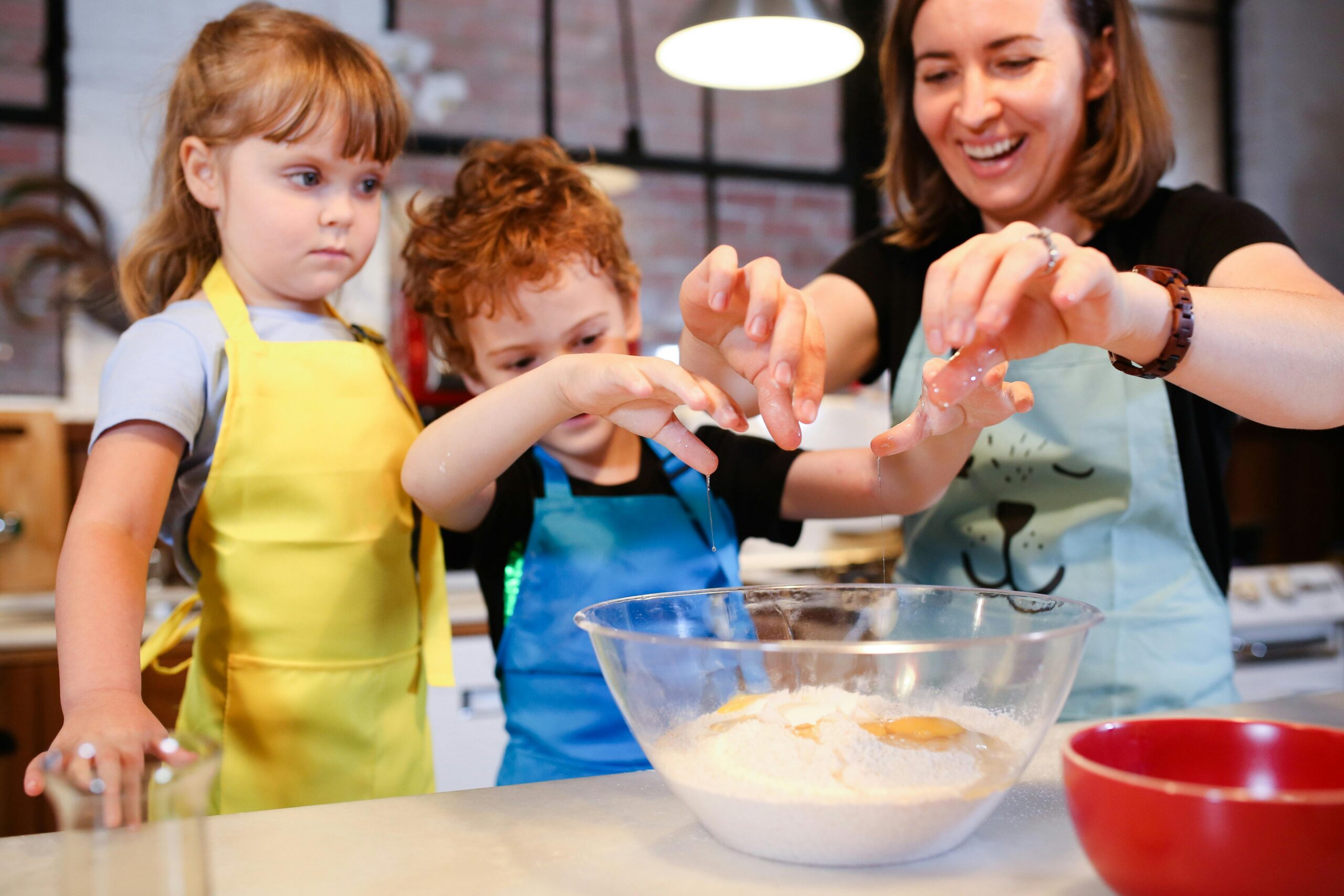
Involve family members or roommates in the cooking process. Shared responsibility makes the work lighter and more social, turning meal preparation into quality time rather than solo labor.
Celebrate your progress and successes. Each new skill mastered and each delicious meal created deserves recognition. This positive reinforcement strengthens your motivation to continue developing your abilities.
Remember that cooking should ultimately bring joy and nourishment to your life. Keep the process light, be patient with yourself, and focus on progress rather than perfection. With time and practice, what once seemed complicated becomes second nature, and the kitchen transforms from an intimidating space into a creative playground where you can express yourself and care for those you love.
The journey of learning to cook is deeply personal and endlessly rewarding. Armed with basic techniques, essential equipment, and a willingness to experiment, you have everything needed to begin creating delicious, nourishing meals that enhance your health, save money, and bring satisfaction to your daily life. Start simple, stay curious, and enjoy every step of this delicious adventure.
