
Anúncios
Modern navigation has evolved dramatically, placing powerful GPS technology directly into our smartphones, transforming how we explore, commute, and discover the world around us.
Anúncios
Gone are the days of fumbling with paper maps or stopping at gas stations for directions.


Today’s GPS applications have revolutionized personal navigation, offering real-time guidance, traffic updates, and location-based services that make daily life significantly easier.
Anúncios
These powerful tools have become indispensable companions for millions worldwide.
Whether you’re commuting to work, exploring a new city, or finding the nearest coffee shop, GPS apps deliver precise location data and intelligent routing options.
The technology has matured beyond simple point-to-point navigation, now offering comprehensive features that enhance travel experiences and boost productivity in remarkable ways.
🌍 How GPS Technology Works in Your Pocket
GPS applications leverage satellite technology combined with cellular networks to pinpoint your exact location anywhere on Earth. The Global Positioning System consists of at least 24 satellites orbiting approximately 12,000 miles above our planet, constantly transmitting signals that your smartphone receives and processes.
Your device calculates its position by measuring the time it takes for signals from multiple satellites to reach it. This triangulation method determines latitude, longitude, and altitude with impressive accuracy—often within just a few meters. Modern smartphones enhance this capability by incorporating Wi-Fi positioning, cellular tower triangulation, and even Bluetooth beacons for indoor navigation.
The computational power required to process this data happens instantaneously, thanks to dedicated GPS chips and sophisticated algorithms. These work seamlessly in the background, consuming minimal battery power while providing continuous location updates that power navigation features, location sharing, and countless other services.
📱 Essential Features That Define Modern GPS Apps
Contemporary GPS applications offer far more than basic directions. They’ve evolved into comprehensive travel assistants packed with intelligent features designed to simplify navigation and enhance user experience. Understanding these capabilities helps users maximize their smartphone’s potential as a navigation device.
Real-Time Traffic Information and Smart Routing
One of the most valuable features modern GPS apps provide is live traffic data. By analyzing information from millions of users simultaneously on the road, these applications identify congestion, accidents, and construction zones in real-time. This crowdsourced intelligence allows the app to suggest alternative routes that save precious minutes—or even hours—during your commute.
Smart routing algorithms don’t just consider distance; they factor in current traffic conditions, historical patterns, speed limits, and even road types. The system continuously recalculates your route during travel, automatically rerouting you around newly developing traffic problems without requiring manual intervention.
Voice-Guided Navigation for Hands-Free Operation
Safety remains paramount when navigating while driving, which is why voice-guided directions have become standard. GPS apps provide clear, timely verbal instructions that allow drivers to keep their eyes on the road rather than glancing at their screens. These voice commands announce upcoming turns, lane changes, and exits well in advance.
Advanced voice guidance systems now include natural language processing, making instructions sound conversational rather than robotic. Some applications even adjust volume automatically based on ambient noise levels and pause navigation announcements during phone calls to avoid interruption.
Multi-Modal Transportation Options
Modern GPS apps recognize that not everyone travels exclusively by car. They provide comprehensive routing options for walking, cycling, public transportation, and ride-sharing services. This flexibility allows users to compare travel times and costs across different transportation methods before deciding how to reach their destination.
Public transit integration displays schedules, platform information, and real-time updates about delays or service changes. Cycling routes prioritize bike lanes and paths with lower traffic, while walking directions often highlight scenic routes and points of interest along the way.
🗺️ Beyond Navigation: Discovering Places Around You
GPS applications have transcended their original purpose of simply getting from point A to point B. They’ve become powerful discovery tools that help users explore their surroundings, find services, and make informed decisions about where to eat, shop, or visit.
Location-based search functionality allows you to find businesses, restaurants, attractions, and services near your current position or any destination. Results include ratings, reviews, photos, operating hours, and contact information—all the details needed to make quick decisions about where to go.
Many GPS apps integrate user-generated content, including millions of reviews and ratings that provide authentic insights into businesses and attractions. This community-driven information helps travelers avoid tourist traps and discover hidden gems recommended by locals and fellow travelers.
Personalized Recommendations Based on Your Preferences
Artificial intelligence and machine learning have enabled GPS applications to learn your preferences over time. They analyze your search history, saved locations, and travel patterns to suggest restaurants, shops, and activities tailored to your interests. This personalization makes discovery feel effortless and relevant.
Some applications offer curated lists created by local experts, food critics, and influencers, providing insider knowledge about the best experiences in any given area. These collections help visitors quickly identify must-see attractions and trending hotspots without extensive research.
🔒 Privacy and Location Data: What You Should Know
Using GPS applications necessarily involves sharing location data with service providers. Understanding how this information is collected, stored, and used empowers users to make informed decisions about their privacy while still benefiting from navigation technology.
Reputable GPS app developers implement encryption and security measures to protect location data during transmission and storage. However, this data can reveal sensitive information about your daily routines, frequently visited places, and personal habits. Users should review privacy settings and understand what permissions they’re granting.
Most applications allow users to control location sharing preferences, including options to disable location history, use incognito modes, or limit tracking to only when the app is actively in use. Taking advantage of these settings helps balance convenience with privacy concerns.
Managing Location Permissions Effectively
Smartphone operating systems provide granular control over which apps can access location data and when. Users can typically choose between “always allow,” “only while using the app,” or “never” for location permissions. Selecting “only while using” provides functionality without constant background tracking.
Regularly reviewing which applications have location access and revoking permissions for apps that don’t legitimately need this data reduces privacy risks. Many users discover they’ve granted location access to numerous apps that function perfectly well without it.
⚡ Maximizing Battery Life While Using GPS
GPS functionality is notoriously demanding on smartphone batteries. The continuous satellite communication, screen activity, and data processing required for navigation can drain power quickly. Implementing battery-saving strategies ensures your device lasts throughout your journey.
Downloading offline maps for frequently traveled areas significantly reduces battery consumption by eliminating the need for constant data connectivity. When navigating offline, your device only uses GPS signals rather than cellular data, resulting in substantial power savings.
Reducing screen brightness, closing unnecessary background apps, and enabling battery saver modes while navigating can extend device life considerably. Some GPS applications offer specific battery-efficient navigation modes that reduce animation and minimize screen updates while maintaining core functionality.
🌐 Offline Navigation: Staying Connected Without Internet
One of the most valuable features in modern GPS apps is offline navigation capability. This functionality proves essential when traveling internationally without data plans, exploring remote areas with poor cellular coverage, or simply wanting to avoid roaming charges.
Downloading map data before your trip allows full navigation functionality without an internet connection. These offline maps typically include business listings, points of interest, and routing capabilities, though real-time traffic information naturally requires connectivity to function.
The storage space required for offline maps varies depending on geographic area size and detail level. Major cities might require several hundred megabytes, while entire countries could demand several gigabytes. Planning storage capacity ensures you have necessary maps available when needed.
Updating Offline Maps for Accuracy
Road networks, businesses, and points of interest constantly change, making periodic offline map updates important for maintaining accuracy. Most GPS applications notify users when updated map data becomes available and can automatically download updates when connected to Wi-Fi.
Keeping offline maps current ensures you have the latest road configurations, new business listings, and corrected errors. This maintenance requires minimal effort but significantly enhances navigation reliability in offline mode.
🚗 Integration with Vehicle Systems and Smart Displays
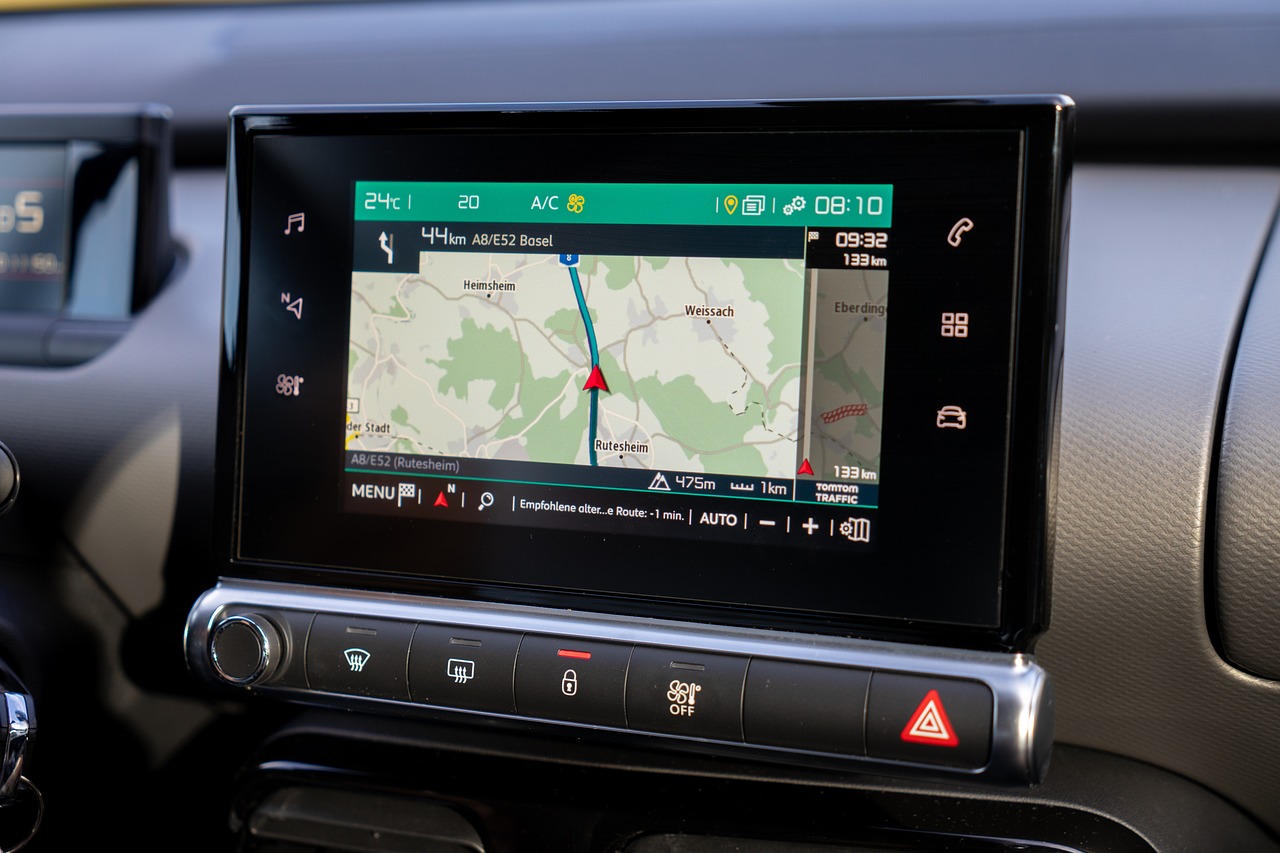
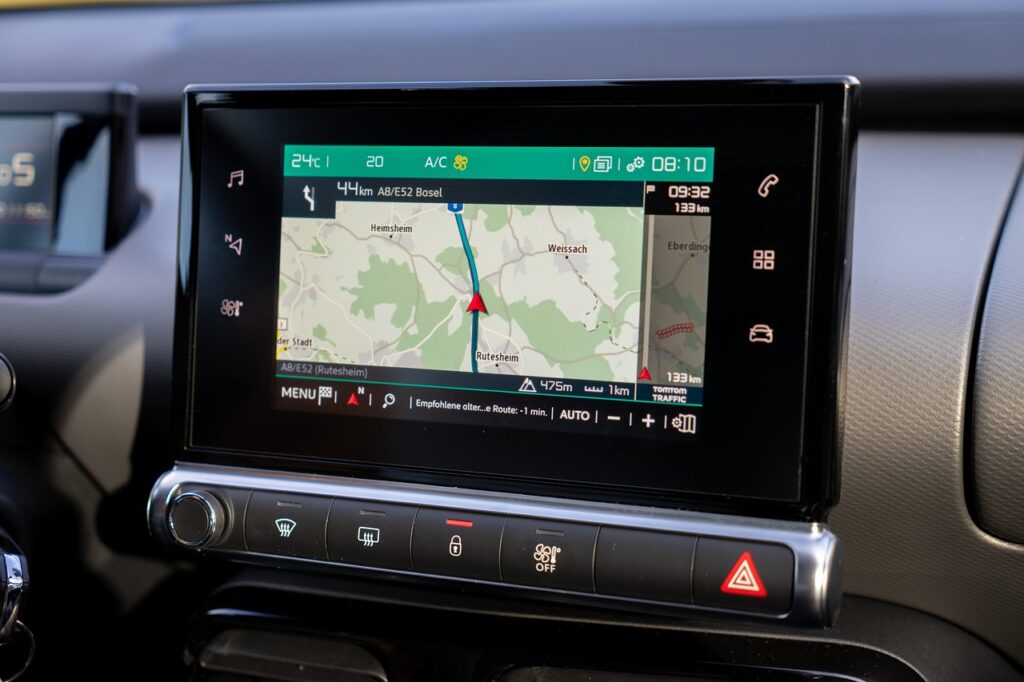
GPS applications increasingly integrate with vehicle infotainment systems, creating seamless navigation experiences that leverage larger displays and vehicle speakers. Technologies like Apple CarPlay and Android Auto project smartphone navigation onto dashboard screens, providing safer, more convenient access to GPS functionality.
This integration allows drivers to control navigation through steering wheel buttons, touchscreens, or voice commands without handling their phones. The larger display format makes maps easier to read at a glance, while audio played through vehicle speakers ensures clear hearing of navigation instructions.
Some newer vehicles come equipped with built-in GPS systems, but smartphone-based navigation often provides more current data, better search capabilities, and superior traffic information thanks to frequent updates and massive user networks that enhance accuracy.
🎯 Specialized GPS Applications for Specific Needs
While general-purpose GPS apps serve most navigation needs admirably, specialized applications cater to specific activities and user groups. Hikers, cyclists, boaters, and pilots each have unique navigation requirements that general apps may not fully address.
Hiking and trail apps provide topographic maps, elevation profiles, trail conditions, and waypoint marking capabilities essential for backcountry navigation. These applications often work offline by design, recognizing that wilderness areas typically lack cellular coverage.
Cycling-specific GPS apps emphasize bike-friendly routes, elevation changes, distance tracking, and performance metrics. They help cyclists plan rides that match their fitness levels while avoiding high-traffic roads and dangerous intersections.
Maritime and Aviation Navigation Apps
Boaters rely on specialized GPS applications that display nautical charts, tide information, marina locations, and navigation hazards. These apps provide information critical for safe maritime navigation that general-purpose GPS applications don’t include.
Pilots use aviation GPS apps featuring aeronautical charts, airspace information, weather data, and flight planning tools. While these don’t replace certified avionics equipment, they provide valuable supplementary information for flight planning and navigation.
🔮 The Future of GPS Technology in Mobile Apps
GPS technology continues evolving rapidly, with emerging innovations promising even more accurate, useful, and immersive navigation experiences. Augmented reality navigation overlays directional arrows and information directly onto live camera views, making it virtually impossible to take wrong turns.
Improved satellite systems with greater accuracy and coverage are launching, while smartphone sensors become increasingly sophisticated. Next-generation GPS receivers will provide centimeter-level accuracy rather than meter-level positioning, enabling applications we haven’t yet imagined.
Artificial intelligence will further personalize navigation experiences, predicting destinations before you search, suggesting optimal departure times based on your schedule, and learning your preferences to provide increasingly relevant recommendations automatically.
💡 Tips for Getting the Most from Your GPS App
Maximizing the utility of GPS applications requires understanding their full feature sets and configuring settings appropriately. Many powerful capabilities remain hidden to users who only scratch the surface of what these applications offer.
- Explore settings thoroughly: Spend time reviewing all configuration options to customize the app to your preferences and needs.
- Save frequent destinations: Adding home, work, and commonly visited locations enables one-tap navigation without repetitive searching.
- Use voice commands: Hands-free operation through voice search and commands improves safety and convenience while driving.
- Enable traffic notifications: Set up alerts for unusual traffic on regular routes so you can adjust departure times or choose alternatives.
- Share your location temporarily: When meeting others, sharing real-time location helps coordinate arrival times and locations accurately.
- Review travel history: Accessing your location timeline helps recall where you’ve been and rediscover places you want to revisit.
- Contribute updates: Report road closures, accidents, and business changes to help improve data accuracy for all users.
🌟 Embracing Navigation Freedom
GPS applications have fundamentally transformed how we interact with physical space, providing unprecedented freedom to explore confidently. The anxiety of getting lost has been replaced by the assurance that accurate guidance is always available at our fingertips.
These powerful tools democratize travel, making unfamiliar places accessible to everyone regardless of local knowledge or language skills. Whether navigating a new city abroad or finding the fastest route across town, GPS apps empower users with information that once required local expertise.
The technology continues advancing rapidly, with each iteration bringing enhanced accuracy, additional features, and improved user experiences. As GPS applications evolve, they’ll become even more integral to daily life, seamlessly guiding us through both routine travels and extraordinary adventures.
Understanding the capabilities, limitations, and best practices for GPS applications ensures you leverage this remarkable technology effectively. With navigation functionality truly in the palm of your hand, the world becomes more accessible, explorable, and navigable than ever before in human history.
