
Anúncios
Navigation has never been more intuitive.
Anúncios
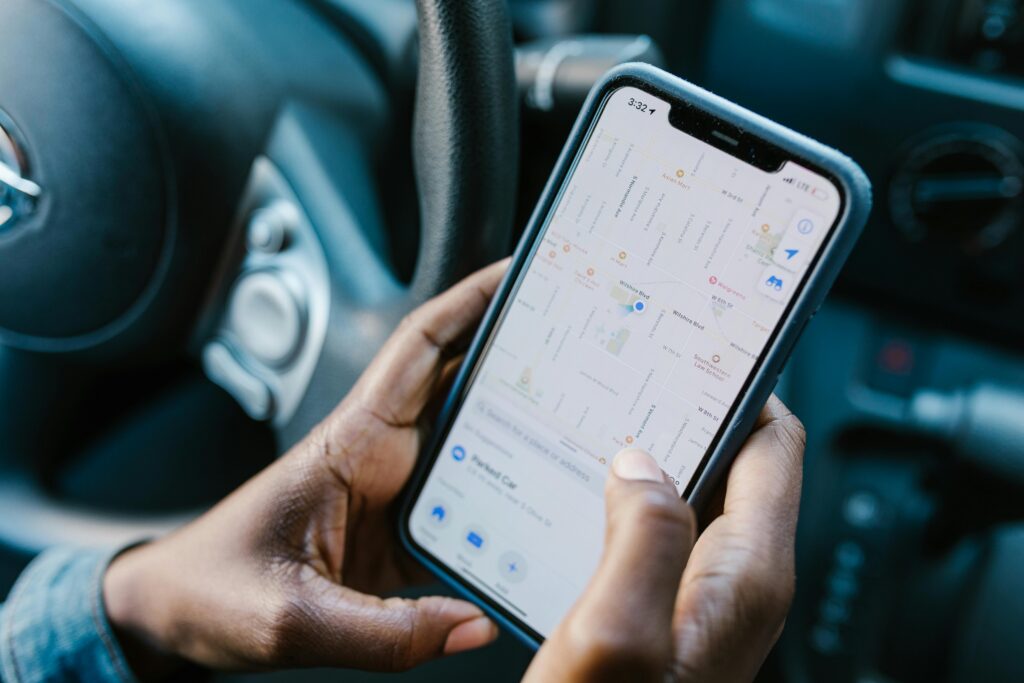
GPS apps have transformed how we explore the world, putting powerful location technology right in our pockets, ready whenever we need it.


Remember the days of unfolding massive paper maps while driving, trying to decipher complicated routes while missing your exit? Those frustrating moments have become distant memories thanks to GPS technology.
Anúncios
Today’s smartphone applications have revolutionized navigation, making it accessible, accurate, and remarkably user-friendly for everyone from daily commuters to adventurous travelers.
Whether you’re navigating unfamiliar city streets, finding the fastest route to work, or exploring hiking trails in remote locations, GPS apps deliver functionality that adapts to your specific needs.
These digital companions have evolved far beyond simple direction-giving tools into comprehensive travel assistants that enhance safety, efficiency, and confidence wherever your journey takes you.
🗺️ The Evolution of Personal Navigation Technology
GPS technology was once exclusively reserved for military operations and specialized commercial use. The satellite-based system required expensive equipment and technical expertise that kept it out of reach for ordinary consumers. However, as technology advanced and smartphones became ubiquitous, GPS functionality transitioned from luxury feature to standard expectation.
Modern GPS apps leverage a network of satellites orbiting Earth, constantly transmitting signals that your smartphone interprets to pinpoint your exact location. This sophisticated system operates with remarkable precision, typically accurate within 16 feet under optimal conditions. The technology continues improving, with newer smartphone models incorporating advanced sensors that enhance accuracy even in challenging environments like urban canyons surrounded by tall buildings.
What makes today’s GPS apps truly revolutionary isn’t just the underlying technology—it’s how developers have packaged that technology into intuitive, feature-rich applications. These apps process massive amounts of data in real-time, considering traffic conditions, road closures, accidents, and even weather patterns to deliver optimal routing suggestions that adapt as conditions change.
📱 Core Features That Define Modern GPS Applications
Contemporary GPS apps offer an impressive array of functionalities that extend far beyond basic turn-by-turn directions. Understanding these features helps users maximize the value they extract from their chosen navigation application.
Real-Time Traffic Intelligence
Perhaps the most valuable feature modern GPS apps provide is real-time traffic monitoring. By aggregating data from millions of users simultaneously, these applications identify congestion patterns, accidents, and road closures as they happen. The app automatically recalculates your route to avoid delays, potentially saving significant time during your commute or road trip.
This crowdsourced approach to traffic data creates a continuously updated network effect—the more people using the app, the more accurate and comprehensive the traffic information becomes. Some advanced applications even predict traffic patterns based on historical data, warning you about potential slowdowns before they fully develop.
Multi-Modal Transportation Options
Modern GPS apps recognize that not everyone travels exclusively by car. Comprehensive navigation tools now offer specialized routing for various transportation modes including walking, cycling, public transit, and ride-sharing services. Each mode receives customized route calculations that consider relevant factors like bike lanes, pedestrian paths, subway schedules, or carpool pickup locations.
This versatility makes GPS apps invaluable for urban dwellers who frequently switch between transportation methods. You can compare estimated arrival times across different modes, helping you choose the most efficient option for each specific journey.
Voice-Guided Navigation
Hands-free voice guidance has become a safety-critical feature that allows drivers to keep their eyes on the road while receiving clear directional instructions. Advanced voice systems now provide contextual information—mentioning landmarks, street names, and specific details that make following directions more intuitive.
Many apps support multiple languages and even regional accents, ensuring clear communication regardless of where you’re traveling. Voice commands also enable hands-free operation, letting you search for destinations, request alternate routes, or ask about arrival times without touching your device.
Offline Mapping Capabilities
One of the most practical features for travelers is offline map functionality. By downloading map data in advance, you can navigate confidently even in areas with poor cellular coverage or while traveling internationally to avoid expensive roaming charges. Offline maps typically include all essential navigation features, though real-time traffic updates naturally require an active connection.
This capability transforms your smartphone into a reliable navigation tool even in remote wilderness areas, foreign countries, or anywhere connectivity might be limited or unavailable.
🎯 Practical Applications Across Different Use Cases
GPS apps serve diverse purposes beyond simple point-to-point navigation. Understanding these varied applications helps users appreciate the full spectrum of functionality available in their pockets.
Daily Commuting Efficiency
For regular commuters, GPS apps become intelligent assistants that learn your typical routes and schedules. They proactively notify you about unusual traffic conditions affecting your normal path, suggest optimal departure times, and identify the fastest route based on current conditions. Over time, these apps build a profile of your preferences, automatically selecting routes that match your driving style and priorities.
Some applications integrate with calendar systems, automatically preparing navigation for scheduled appointments and alerting you when it’s time to leave based on current traffic conditions. This seamless integration helps reduce stress and ensures punctual arrivals.
Travel and Exploration
When exploring unfamiliar destinations, GPS apps transform anxiety into confidence. Travelers can discover nearby attractions, restaurants, and services with integrated reviews and ratings. The ability to save favorite locations creates a personalized map of discoveries, easily shared with travel companions or saved for future reference.
Many apps now include augmented reality features that overlay directional arrows onto your smartphone camera view, making pedestrian navigation in complex urban environments significantly easier. This technology proves especially valuable in large transit stations, shopping centers, or dense city districts where traditional map views can be disorienting.

Business and Delivery Services
Professional drivers, delivery personnel, and service providers rely heavily on GPS apps for route optimization. Advanced applications can sequence multiple stops efficiently, minimizing total travel time and fuel consumption. Real-time updates ensure drivers can adapt to changing conditions, maintaining reliable service even when unexpected obstacles arise.
Integration with business systems allows automatic address importing, completion confirmation, and detailed trip logging that supports billing, expense reporting, and performance analytics.
Outdoor Recreation and Adventure
Hikers, cyclists, and outdoor enthusiasts benefit from specialized GPS features designed for non-road navigation. Trail maps, elevation profiles, and waypoint marking help adventurers explore backcountry areas safely. Many apps include emergency features like location sharing and SOS functionality that can literally save lives in critical situations.
Tracking capabilities record your route, distance, speed, and elevation changes, creating detailed logs of outdoor activities that support fitness goals and provide valuable documentation of your adventures.
🔒 Privacy and Data Considerations
While GPS apps deliver tremendous utility, they also collect significant amounts of location data. Understanding privacy implications helps users make informed decisions about which applications to trust and how to configure privacy settings appropriately.
Responsible GPS apps provide transparent information about what data they collect, how it’s used, and who can access it. Location history can be incredibly convenient for recalling past trips or tracking mileage, but it also creates a detailed record of your movements. Most quality applications offer granular privacy controls, allowing users to balance functionality with personal comfort levels regarding data collection.
Consider reviewing location permissions regularly, ensuring apps only access your position when actively in use rather than continuously tracking in the background. Many devices now offer approximate location sharing as an alternative to precise GPS coordinates, providing sufficient functionality for general navigation while preserving additional privacy.
⚡ Optimizing Battery Life and Performance
GPS functionality can significantly drain smartphone batteries, especially during extended navigation sessions. Understanding power management strategies ensures your device remains operational throughout your entire journey.
Screen brightness represents one of the largest power consumers during navigation. Reducing brightness to the minimum comfortable level extends battery life substantially. Many apps include power-saving modes that reduce screen updates and limit background processes without compromising essential navigation functions.
Downloading offline maps before trips eliminates the constant cellular data connection required for streaming map tiles, which consumes both battery power and mobile data. When navigation isn’t actively needed, closing the app completely rather than leaving it running in the background prevents unnecessary power consumption.
For extended road trips, car chargers become essential accessories. Wireless charging mounts offer convenient solutions that keep your device powered and positioned for easy visibility while maintaining hands-free operation.
🌐 Comparing Popular GPS Applications
While numerous GPS apps populate app stores, several dominant platforms have emerged through consistent reliability, comprehensive features, and extensive user bases. Each offers unique strengths tailored to different user preferences and priorities.
Google Maps remains the most widely used navigation app globally, offering comprehensive coverage, accurate traffic data, and seamless integration with other Google services. Its strength lies in thorough point-of-interest information, extensive public transit data, and street view imagery that helps users visually preview destinations.
Waze distinguishes itself through aggressive community-driven traffic reporting. Users actively share real-time information about accidents, police presence, road hazards, and traffic conditions. This social approach creates exceptionally current data, though the interface may feel busier than alternatives with frequent alerts and notifications.
Apple Maps has evolved significantly since its problematic launch, now offering solid performance particularly for iPhone users. Tight integration with iOS features, attractive visual design, and strong privacy protections make it appealing for Apple ecosystem users, though coverage in some regions still lags behind Google’s extensive database.
Specialized apps like Maps.ME focus on offline capabilities, making them ideal for international travelers and outdoor adventurers who frequently operate beyond cellular coverage. These applications prioritize downloaded map access over real-time features, representing a different philosophy about navigation priorities.
🚀 Emerging Technologies Shaping Future Navigation
GPS app development continues advancing rapidly, with emerging technologies promising even more sophisticated functionality in coming years. Understanding these trends provides insight into how navigation tools will continue evolving.
Augmented Reality Navigation
AR technology overlays digital navigation information directly onto real-world camera views displayed on your smartphone screen. Instead of interpreting abstract map representations, users see directional arrows and location markers positioned precisely where they need to look. This intuitive approach significantly reduces the cognitive load of navigation, making complex intersections and pedestrian routing dramatically simpler.
As AR technology matures and becomes more widespread, expect seamless integration with wearable devices like smart glasses, eventually eliminating the need to look at handheld screens entirely while navigating.
Artificial Intelligence and Predictive Routing
Machine learning algorithms increasingly power intelligent route prediction based on your habits, preferences, and historical patterns. These systems anticipate destinations before you specify them, automatically prepare navigation as departure time approaches, and learn from your routing choices to refine future recommendations.
AI also enhances traffic prediction accuracy, analyzing countless variables to forecast congestion patterns with increasing precision. This allows proactive routing that avoids problems before they fully develop, rather than reactively responding to current conditions.
Vehicle Integration and Autonomous Driving
Modern vehicles increasingly feature built-in navigation systems that integrate with smartphone apps, displaying directions on dashboard screens and audio systems. This integration creates safer, more convenient experiences that leverage vehicle sensors for enhanced positioning accuracy.
Looking further ahead, GPS apps will play critical roles in autonomous vehicle systems, providing the detailed mapping and real-time environmental data necessary for self-driving cars to operate safely and efficiently.
💡 Maximizing Your GPS App Experience
Getting the most from your GPS application requires understanding not just basic features but also advanced capabilities and optimization strategies that casual users often overlook.
Customize notification settings to match your preferences, ensuring you receive important alerts without constant interruptions. Configure route preferences to prioritize factors that matter most to you—whether fastest time, shortest distance, avoiding highways, or minimizing tolls.
Explore contributed content features that allow you to add missing locations, correct inaccurate information, and share discoveries with the broader user community. This participation improves data quality while contributing to the collective benefit of all users.
Take advantage of trip planning features that let you research routes, compare options, and identify interesting stops before departing. Saving frequent destinations creates shortcuts that streamline regular navigation, while lists help organize locations by category or purpose.
Regular app updates deliver important improvements including expanded coverage, enhanced features, and critical security patches. Enable automatic updates or check periodically to ensure you’re running the latest version with optimal performance and protection.
🌟 The Broader Impact of Accessible Navigation
Beyond individual convenience, widespread GPS app adoption has created significant societal benefits that extend across economic, environmental, and safety dimensions.
Efficient routing reduces fuel consumption and emissions by minimizing unnecessary driving and idling in traffic. At scale, millions of optimized trips contribute measurably to reduced environmental impact from transportation.
Emergency services leverage GPS technology for faster response times, with precise location data helping responders reach people in need more quickly. Personal safety features in GPS apps, including location sharing and emergency alerts, provide reassurance and practical protection in potentially dangerous situations.
Economic accessibility of smartphone-based navigation has democratized technology that previously required expensive dedicated devices. This universalization enables broader participation in delivery economies, ride-sharing services, and location-dependent businesses that create employment opportunities.
For individuals with mobility challenges or disabilities, GPS apps with specialized accessibility features provide independence and confidence to navigate environments that might otherwise feel overwhelming or inaccessible.
🎉 Embracing Navigation Freedom
The transformation from paper maps to pocket-sized GPS applications represents more than technological advancement—it fundamentally changed our relationship with geography and exploration. The anxiety of getting lost has been replaced by confidence that wherever you go, reliable guidance remains constantly available.
This liberation encourages spontaneity and adventure. Weekend road trips no longer require extensive planning. Exploring unfamiliar neighborhoods becomes enjoyable rather than stressful. Business opportunities expand as geographic barriers diminish when navigation concerns disappear.
Modern GPS apps deliver sophisticated functionality wrapped in interfaces designed for intuitive everyday use. From morning commutes to cross-country adventures, these applications adapt to countless scenarios while continuously improving through technological advancement and expanding data networks.
The future promises even more seamless integration, intelligent assistance, and innovative features that we’re only beginning to imagine. But today, right now, powerful navigation technology already sits in your pocket—ready to guide you wherever your journey leads, making the world feel simultaneously larger through expanded possibilities and smaller through effortless connectivity.
Whether you’re a daily user or occasional navigator, taking time to explore your GPS app’s full capabilities reveals surprising features that enhance convenience, efficiency, and enjoyment. The functionality truly is in your hands—literally—waiting to transform how you experience every journey, from routine errands to extraordinary adventures across unfamiliar territories.
