
Anúncios
Modern agriculture is entering a new era where technology meets biology, and smart biofertilizer sensors are leading this transformation in precision farming practices worldwide.
🌱 Understanding the Intersection of Biology and Technology in Agriculture
Anúncios
The agricultural sector has witnessed remarkable transformations over the past decades, but perhaps none as promising as the integration of smart sensor technology with biological fertilization methods. Traditional farming relied heavily on guesswork and scheduled applications of fertilizers, often resulting in waste, environmental damage, and inconsistent crop yields. Today’s precision agriculture combines real-time data monitoring with biological solutions to create a more sustainable and profitable farming ecosystem.
Smart biofertilizer sensors represent a convergence of several cutting-edge technologies: Internet of Things (IoT) devices, microbial biology, soil science, and data analytics. These sophisticated tools monitor soil conditions continuously, detecting the presence and activity levels of beneficial microorganisms while providing farmers with actionable insights about when and where to apply biofertilizers for maximum effectiveness.
Anúncios
The global market for precision agriculture is projected to reach unprecedented levels as farmers increasingly recognize the economic and environmental benefits of targeted fertilization strategies. Smart sensors eliminate the traditional trial-and-error approach, replacing it with data-driven decision-making that optimizes every aspect of crop nutrition.
🔬 How Smart Biofertilizer Sensors Actually Work
At their core, smart biofertilizer sensors are sophisticated devices embedded in or placed near the soil that measure multiple parameters simultaneously. These devices utilize various sensing technologies including electrochemical sensors, optical sensors, and biosensors to detect specific compounds and microbial activity within the soil matrix.
The sensors typically monitor several critical factors:
- Soil moisture levels and water retention capacity
- pH levels and their fluctuations throughout the day
- Nitrogen, phosphorus, and potassium concentrations
- Microbial population density and activity
- Soil temperature at various depths
- Electrical conductivity indicating nutrient availability
- Organic matter decomposition rates
What sets these sensors apart from conventional soil monitors is their ability to specifically detect biological activity. Advanced biosensors can identify the presence of nitrogen-fixing bacteria, phosphate-solubilizing microorganisms, and other beneficial soil microbes that are essential components of effective biofertilizers.
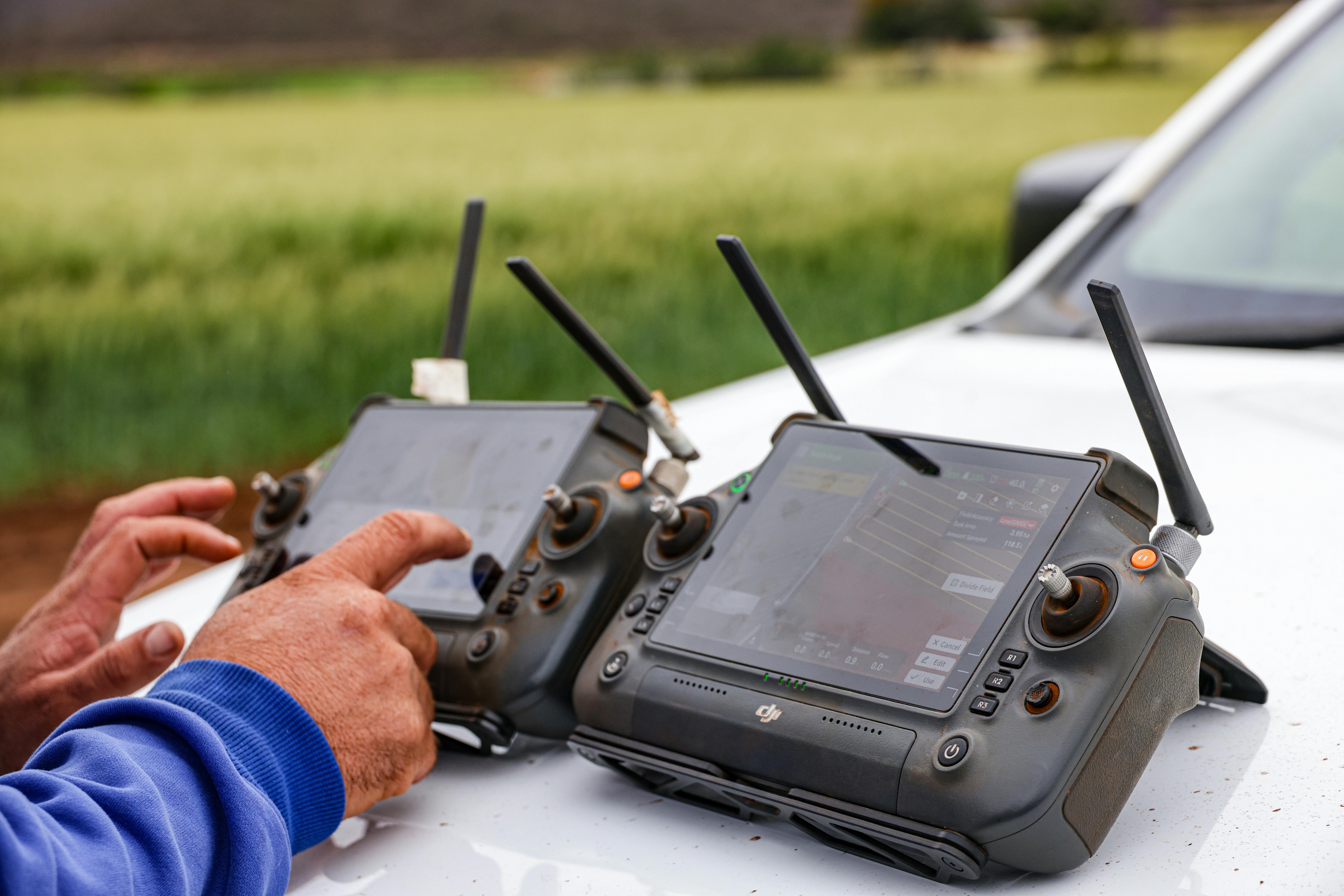
The collected data is transmitted wirelessly to cloud-based platforms where artificial intelligence algorithms analyze patterns, compare results with optimal growth parameters, and generate recommendations. Farmers receive notifications on their smartphones or computers, informing them about the exact timing and quantity of biofertilizer applications needed for each specific zone of their fields.
💰 The Economic Case for Smart Sensor Technology
Investing in smart biofertilizer sensor technology might seem expensive initially, but the return on investment typically materializes within the first growing season. Precision application of biofertilizers reduces waste by ensuring products are only applied when and where they’re needed, cutting input costs by 20-40% according to recent agricultural studies.
Traditional fertilization methods often result in over-application in some areas and under-application in others. This inconsistency leads to yield variations across fields, with some sections performing poorly while others waste expensive inputs. Smart sensors eliminate this variability by creating precise application maps that account for the unique characteristics of each field section.
Furthermore, the environmental cost savings translate into real economic benefits. Reduced fertilizer runoff means lower environmental remediation costs and compliance with increasingly stringent agricultural regulations. Many regions now offer subsidies and tax incentives for farmers adopting precision agriculture technologies, further improving the economic attractiveness of smart sensor systems.
Labor costs also decrease significantly when biofertilizer applications are optimized. Instead of blanket applications across entire fields, farmers can target specific zones, reducing equipment operation time, fuel consumption, and labor hours. The data collected by sensors also helps optimize irrigation schedules, creating compound savings across multiple farm operations.
🌍 Environmental Benefits That Matter
The environmental advantages of smart biofertilizer sensors extend far beyond individual farms. Agricultural runoff containing excess fertilizers is a leading cause of water pollution globally, contributing to algal blooms, dead zones in coastal areas, and contamination of drinking water sources. Precision application dramatically reduces this pollution by ensuring fertilizers are absorbed by crops rather than washing into waterways.
Biofertilizers themselves are more environmentally friendly than synthetic alternatives, relying on beneficial microorganisms to enhance nutrient availability rather than concentrated chemical compounds. When combined with smart sensors that optimize their application, the environmental footprint of farming shrinks considerably.
Soil health improves over time with sensor-guided biofertilizer management. The continuous monitoring capabilities allow farmers to track soil organic matter levels, microbial diversity, and overall soil structure. Healthy soil acts as a carbon sink, contributing to climate change mitigation efforts while simultaneously improving long-term productivity.
Water conservation is another significant environmental benefit. By correlating moisture levels with nutrient availability and microbial activity, smart sensors help farmers optimize irrigation schedules. This integrated approach to water and nutrient management can reduce water consumption by 30-50% while maintaining or improving crop yields.
📊 Real-World Success Stories and Yield Improvements
Agricultural operations worldwide are reporting impressive results after implementing smart biofertilizer sensor systems. Large-scale corn producers in the Midwest United States documented yield increases of 15-25% in the first year of adoption, with continued improvements in subsequent seasons as soil health improved.
Vineyard operations have been particularly successful with this technology. The ability to monitor and manage nutrient levels with precision proves especially valuable for grape production, where slight variations in soil conditions significantly impact fruit quality. Several premium wineries report not just increased yields but improved grape characteristics leading to higher-quality wines and premium pricing.
Rice farmers in Southeast Asia have embraced smart sensor technology to address specific challenges related to flooded field conditions. Specialized sensors designed for submerged environments monitor the complex biochemistry of paddy fields, optimizing biofertilizer applications for nitrogen-fixing cyanobacteria and other beneficial microorganisms. Results include 20-30% reductions in synthetic fertilizer use while maintaining production levels.
Organic farming operations particularly benefit from smart biofertilizer sensors since they rely exclusively on biological inputs. The precision monitoring capabilities allow organic farmers to maximize the effectiveness of expensive organic fertilizers and amendments, improving the economic viability of organic production systems.
🛠️ Integration with Existing Farm Management Systems
Modern smart biofertilizer sensors are designed to integrate seamlessly with existing farm management software and equipment. Most systems utilize open APIs and standard communication protocols, allowing data to flow between sensors, tractors, irrigation systems, and management platforms without compatibility issues.
Variable rate application equipment can be directly controlled by sensor data, automatically adjusting biofertilizer dispensing rates as machinery moves through fields. This real-time responsiveness ensures optimal application across diverse terrain and soil types without requiring manual adjustments.
Many farmers use comprehensive farm management platforms that consolidate data from multiple sources. Smart sensors feed information into these systems alongside weather data, satellite imagery, yield monitors, and financial records. This holistic view enables sophisticated analyses that identify subtle relationships between variables, leading to continuous improvement in farming practices.
Cloud connectivity enables remote monitoring and management, allowing farmers to check field conditions from anywhere with internet access. This capability proves especially valuable during critical growth stages or when managing multiple properties spread across large geographic areas.
⚡ Overcoming Implementation Challenges
Despite the clear benefits, some farmers hesitate to adopt smart biofertilizer sensor technology due to perceived complexity or initial costs. However, manufacturers have made significant strides in creating user-friendly systems that require minimal technical expertise to operate.
Installation typically involves placing sensors at strategic locations throughout fields, with density depending on field size and variability. Most systems are designed for easy installation without specialized equipment or technical knowledge. Wireless connectivity eliminates the need for complex wiring, and solar-powered sensors reduce maintenance requirements.
Training and support have improved dramatically as the technology matures. Manufacturers offer comprehensive training programs, often conducted directly on farms to ensure practical understanding. Online resources, video tutorials, and 24/7 technical support help farmers troubleshoot issues quickly.
Financing options make the technology more accessible to operations of all sizes. Equipment leasing programs, government subsidies, and favorable loan terms specifically for precision agriculture investments reduce the financial barrier to entry. Many farmers find that the savings from optimized input use offset monthly payments from the start.
🔮 The Future Landscape of Precision Agriculture
The trajectory of smart biofertilizer sensor development points toward even more sophisticated capabilities in coming years. Researchers are developing nano-sensors that can detect individual molecular compounds and provide unprecedented detail about soil chemistry and biological activity.
Artificial intelligence will play an increasingly central role in interpreting sensor data. Machine learning algorithms will identify patterns invisible to human analysis, predicting optimal management strategies based on historical data from thousands of farms. These systems will eventually provide prescriptive rather than descriptive insights, telling farmers exactly what actions to take for maximum results.
Integration with autonomous farming equipment represents another frontier. Self-driving tractors and drones will respond directly to sensor data, automatically applying biofertilizers with centimeter-level precision without human intervention. This automation will enable management intensity previously impossible with manual operations.
Blockchain technology may soon verify and certify sustainable farming practices based on sensor data. Consumers increasingly demand transparency about food production methods, and immutable sensor records could provide verifiable proof of environmental stewardship, potentially commanding premium prices.
🌾 Selecting the Right Sensor System for Your Operation
Choosing appropriate smart biofertilizer sensors requires careful consideration of specific farm conditions and goals. Field size, crop types, soil variability, existing technology infrastructure, and budget all influence the optimal system selection.
Small to medium operations might start with a limited sensor network covering representative field sections, expanding as they gain experience and document results. Large commercial operations typically benefit from comprehensive coverage that enables field-scale precision management.
Sensor specifications matter significantly. Consider measurement accuracy, sampling frequency, battery life, wireless range, durability under field conditions, and compatibility with preferred biofertilizer products. Some sensors specialize in particular crops or regional conditions, offering advantages over general-purpose devices.
Support and service considerations shouldn’t be overlooked. Evaluate manufacturer reputation, warranty terms, calibration requirements, and availability of local technical support. The best hardware becomes worthless without reliable service backing it up.
🚀 Taking the First Steps Toward Implementation
Farmers interested in adopting smart biofertilizer sensor technology should begin with thorough research and planning. Connect with other farmers already using the technology to learn from their experiences. Agricultural extension services, university research programs, and manufacturer demonstration sites offer opportunities to see systems in action.
Conducting a baseline assessment of current fertilization practices, costs, and yields establishes a reference point for measuring improvement. Document current inputs, application rates, timing, and resulting yields across different field sections. This data becomes invaluable when evaluating sensor system performance.
Start with a pilot project in a representative field section rather than immediately deploying sensors across all acreage. This approach limits initial investment while providing practical experience and generating data to justify broader implementation. Successful pilot results often provide the confidence and evidence needed to expand the system.
Develop relationships with biofertilizer suppliers who understand precision application principles. Not all biofertilizer products work equally well with sensor-guided systems, and supplier expertise can help match products to specific soil conditions and crop requirements.
💡 Maximizing Returns from Your Sensor Investment
Simply installing smart sensors won’t automatically revolutionize crop yields—farmers must actively engage with the data and recommendations generated. Regular monitoring of sensor readings, prompt response to alerts, and careful record-keeping ensure the system delivers maximum value.
Calibration and maintenance are essential for accurate data collection. Follow manufacturer guidelines for sensor cleaning, calibration verification, and battery replacement. Even small accuracy drifts can compromise decision-making quality and reduce system effectiveness.
Combine sensor data with traditional agronomic knowledge rather than blindly following automated recommendations. Experienced farmers often identify nuances and contextual factors that algorithms miss, and this human insight remains valuable even in highly automated systems.
Share data and experiences with the broader agricultural community. Collaborative learning accelerates innovation and helps refine best practices. Many regions have precision agriculture user groups where farmers exchange insights and collectively troubleshoot challenges.
The revolution in agriculture driven by smart biofertilizer sensors represents more than just technological advancement—it signals a fundamental shift toward sustainable intensification. By producing more food with fewer inputs and less environmental impact, this technology addresses some of agriculture’s most pressing challenges. Farmers who embrace these tools position themselves at the forefront of agricultural innovation, enjoying improved profitability while contributing to environmental stewardship. The future of farming is data-driven, biologically-focused, and precision-oriented, and that future is already taking root in fields around the world.
